Top of the page · Finance
How Much Car Can You Afford?
Straight answers on budgets, borrowing, business paperwork, home screens and car upkeep. Read the guide, then make the call yourself.
· 4 min read
Practical guides to money, small business, home screens and the car on your drive
Top of the page · Finance
Straight answers on budgets, borrowing, business paperwork, home screens and car upkeep. Read the guide, then make the call yourself.
· 4 min read
Cars
A title brand is a permanent note on a car's ownership record. Here is what clean, salvage and rebuilt titles mean, how they affect value and how a title differs from registration.
Cars
Dashboard symbols follow a simple color logic. Learn which lights mean stop now, which mean book a check and which are just telling you a system is switched on.
Cars
A tire can wear out on the road or simply grow too old in the garage. Here is how to judge both, starting with the four-digit date code most drivers never notice.
Cars
Tread depth decides how well a tire grips on wet roads. Here are four ways to measure it, what the numbers mean and how uneven wear points to other problems.
Cars
Checking engine oil takes two minutes and a paper towel. Here is how to get an accurate reading, what the marks and colors mean and how to top up with the right oil.
Cars
The right oil change interval is written in your owner's manual, not on a sticker from the last garage. Here is how mileage, time, oil type and driving style fit together.
Long read · Tech
· 2 min read
Belgium is a country where the evening news might be watched in Dutch in one living room and in French a few streets away, while a neighbour follows German-language programmes and the family next door keeps up with channels from another continent. Few places ask more of a television service, which helps explain why streaming over broadband has been welcomed so warmly there.
Traditional TV packages in Belgium have usually been organised around the region a household lives in. That works for many people, but it fits less well in mixed-language families, in Brussels flats shared by colleagues from different countries or in homes where grandparents miss the programmes they grew up with abroad. Internet television can bring channels from several language communities and abroad into one menu, so each member of the household finds something familiar.
Specialised IPTV services aimed at Belgian viewers have built on this by offering a broad line-up in full HD that covers national channels, neighbouring countries and international content through a single subscription.
Belgian households, like many in Europe, rarely sit down together at a fixed hour every night. Parents work different shifts, children have sport and music lessons and teenagers prefer their own screens. Flexibility therefore matters more than a perfect schedule:
| Situation | How internet TV helps |
|---|---|
| Compact city flat | No bulky boxes or extra cabling |
| Shared apartment | Each resident watches on their own device |
| Family house | Kitchen tablet, living-room TV and bedroom laptop all work |
| Weekend at the coast | Log in from the holiday flat with a decent connection |
Everything rests on the broadband line, so measure it when the whole street is home and online. Make a list of the channels in each language that the household truly relies on and compare it with the line-up on offer. Confirm how many streams can run at the same time and whether the app supports your television brand. Stick with a company whose Belgian broadcasting rights are in order, and look up how cancelling works before you start.
For a country with several languages, a mobile population and busy family lives, the flexibility of internet television fits remarkably well. It lets each household build a viewing setup around its own mix of people and preferences, rather than around a single regional package.
Long read · Business
· 2 min read
A business can rank on the first page, run eye-catching ads and post every day on social media, yet still struggle to see the effect on its order book. Attention is necessary, but it is only the start. Modern digital marketing earns its keep when the path from first impression to paying customer is designed as one connected system.
Search optimisation, paid campaigns, social content and email all help a brand get noticed. The trouble begins when these channels are judged only by reach: impressions, followers, clicks. A thousand visitors who land on a confusing page and leave achieve little, while a smaller group of the right people who find exactly what they need can transform a quarter.
The better question is not "how many saw us?" but "did the right people arrive, and what did they do next?" Asking it shifts marketing from a cost to be managed into an engine for growth.
A software company, a dental practice and a manufacturer of industrial parts cannot market themselves in the same way. Their buyers search with different words, need different levels of reassurance and take different amounts of time to decide. Regulated fields add their own rules about what can be claimed. Agencies that offer industry marketing solutions reflect this reality by shaping strategy, messaging and channel choices around the sector a client works in, rather than applying one template to everyone.
In practice that means content that answers the questions buyers in a particular field actually ask, case examples that feel familiar to them and campaigns timed to the sector's own buying cycles.
| Stage | Typical activity | Useful measure |
|---|---|---|
| Awareness | Search, social, video | Qualified visits, branded searches |
| Consideration | Guides, comparisons, webinars | Time on key pages, sign-ups |
| Decision | Landing pages, demos, offers | Enquiries, conversion rate |
| Loyalty | Email, onboarding, support content | Repeat orders, referrals |
Linking each activity to a measure that matters at that stage helps teams see where prospects drop away and where a small improvement would have the largest effect.
Growth from digital marketing rarely arrives in a single burst. It accumulates as useful content keeps attracting visitors, as tested pages convert better and as satisfied customers return and recommend. Results always depend on the market, the offer and the budget, so steady measurement matters more than chasing quick wins. Businesses that treat visibility as the first step rather than the finish line tend to see that momentum build year after year.
Long read · Tech
· 2 min read
Picture a small bakery owner who needs a new menu icon, a teacher sketching a diagram for tomorrow's lesson and a developer who wants a cleaner loading animation. None of them wants to install a heavy design suite or spend a weekend on tutorials. Each of them can open a browser tab, draw a few shapes and export a file that looks sharp on every screen. That is the quiet appeal of online vector editors.
Photos and most web images are made of pixels. Zoom in far enough and they turn into blocks. Scalable Vector Graphics work differently: the file describes shapes, lines, curves and colours as instructions, so a browser can redraw them at any size without losing quality. The same logo can sit in a tiny favicon and on a large banner.
Because the format is text-based, it brings other benefits:
Traditional vector programs are powerful but can feel intimidating. Browser editors strip the interface back to the essentials: shapes, pen tool, text, alignment, layers and export. Nothing needs installing, files can be opened from any computer, and sharing a link with a colleague is usually easier than emailing attachments back and forth.
Tools focused on svg editing are a good example of this approach. They let users open an existing file, adjust paths and colours, add text and export a clean result straight from the browser, which is exactly what most marketers and small teams need on a busy day.
Once a team has a simple editor in its toolkit, it tends to find more uses than expected:
| Feature | Why it helps |
|---|---|
| Precise path editing | Lets you fix curves and corners rather than starting again |
| Layers and grouping | Keeps complex graphics manageable |
| Snapping and alignment | Makes icons and layouts look professional |
| Clean code export | Smaller files that developers can work with |
| Import of existing SVGs | Allows quick edits to files you already own |
Keep a consistent stroke width across an icon set. Limit the colour palette to brand colours and save them as swatches. Name layers so others can understand the file. Before exporting, remove hidden or unused elements to keep the code light, and test the graphic on both light and dark backgrounds. With those habits, even people who would never call themselves designers can turn rough ideas into polished visuals in an afternoon.
Long read · Real estate
· 3 min read
Every seller has a number in mind, and it is often shaped by what they paid, what they have spent on the kitchen and what a neighbour claims to have received. Buyers, meanwhile, judge a home against everything else they have seen that month. A comparative market analysis bridges those two views by grounding the asking price in what similar properties have actually done in the same area.
A CMA looks at recent sales, current listings and properties that failed to sell, all chosen because they resemble the home being priced. It then adjusts for differences such as size, condition and location to estimate a sensible range. It is not a formal valuation for a lender, but it is one of the most useful tools an agent or seller has for setting a realistic, confident price.
Many sellers and agents now use online tools to gather this evidence quickly. Services that offer a CMA comparative market analysis bring sales history and local data into one report, so a seller can judge where a home sits within its neighbourhood before talking numbers.
A well-supported price does more than attract viewings. It gives the seller a clear story for negotiations: here are the homes buyers will compare this one to, and here is why the price is fair. Agents can use the same evidence to decide on presentation, for example whether a modest repair would move the home into a higher bracket of comparables.
| Market signal | Possible pricing approach |
|---|---|
| Homes selling quickly near asking price | List at the upper part of the range |
| Rising days on market | Price closer to the middle to stand out |
| Many similar listings unsold | Sharpen price or improve presentation |
A CMA is an informed estimate based on available data, and markets can shift between preparation and sale. For lending, legal or tax purposes a formal appraisal may be required, and major property decisions are best made with input from a local agent or a qualified valuer. Used sensibly, though, a clear comparison of real sales turns pricing from guesswork into a calm, evidence-based decision.
Long read · Tech
· 2 min read
For decades, television in many German rental flats came with the building. A coax outlet came with the lease, and its cost often appeared among the service charges without much thought. Now that landlords can no longer automatically pass cable fees on to every tenant, many households are deciding for themselves how they want to watch, and internet television is high on the list.
When a default disappears, people start comparing. Some sign a direct cable contract, some rely on an aerial for the public broadcasters, and a growing number move to television delivered over their broadband line. The appeal is easy to see: the same connection that already carries work calls and streaming can carry the Tagesschau, last night's crime drama and a film library to every screen in the flat.
The market includes broadband operators, streaming platforms and specialised services. A reputable IPTV anbieter typically stands out through a clear channel list, apps for common devices, a straightforward plan structure and support that answers in German. When comparing, these questions help:
| Question | Why it matters |
|---|---|
| Which channels are included, and in what resolution? | Avoids surprises with regional or sports channels |
| Can several family members stream in parallel? | Important for families and shared flats |
| Is there replay or recording? | Lets you watch on your own schedule |
| How long is the minimum term? | Keeps you flexible if needs change |
Alongside these points, check that the company has secured German rights for what it streams. The Rundfunkbeitrag, by the way, stays due per household no matter which reception route you choose.
Measure your bandwidth after dinner, on the set you will actually use. In an Altbau with thick walls, a LAN lead between router and TV often beats Wi-Fi for steady pictures. Mesh systems or powerline adapters can help in larger flats. Updating the TV's firmware and the app itself also avoids many small glitches.
Handled this way, the end of the automatic cable connection becomes an opportunity rather than a nuisance. Households get to choose a setup that fits their tastes and their budget, and many find that internet television delivers exactly the mix of comfort, variety and picture quality they were looking for.
Long read · Finance
· 2 min read
Families who build significant wealth often discover that keeping it together is a different skill from creating it. A founder may have one accountant, two private banks, a lawyer for the business, another for the will and a property manager abroad. Each adviser does good work, yet nobody sees the whole picture. A family office exists to close that gap by putting one team in charge of coordinating every piece around the family's own priorities.
Long-term prosperity has several layers. There is financial capital, of course, but also the family business, real estate, collections, philanthropic commitments and, just as important, the relationships and values that hold the family together. When those layers are managed separately, decisions in one area can quietly undermine another: a property purchase that complicates the estate plan, or an investment that conflicts with the family's charitable aims.
A tailored office starts by mapping all of it, then agreeing on what the wealth is meant to do. Funding education for grandchildren, preserving a business, supporting a cause or giving each branch of the family independence are all valid goals, but they lead to very different structures.
| Area | Typical responsibilities |
|---|---|
| Investment oversight | Setting an overall strategy, selecting and monitoring managers, consolidated reporting |
| Tax and structuring | Coordinating with tax advisers across jurisdictions, reviewing holding structures |
| Estate and succession | Wills, trusts, business succession plans, regular reviews as the family changes |
| Risk and insurance | Reviewing cover for property, liability and key individuals |
| Administration | Bill payment, record keeping, property and staff management |
| Philanthropy | Foundations, grant processes and impact reporting |
Not every family needs all of this. Some establish a single-family office with its own staff; others use a multi-family office that shares resources across several households.
Two families with similar balance sheets can need completely different arrangements. One might be dominated by an operating company and need help planning liquidity events; another might hold mainly real estate across several countries. A tailored approach adjusts reporting, risk limits and the choice of specialists to those facts instead of squeezing every household into an identical template.
The quality of the advisory team is central. Families often follow the moves and reputations of experienced advisers closely, and news coverage of groups such as the Fischman Azar wealth management team shows how much weight clients place on continuity and long-standing relationships with the people managing their affairs.
Plenty of inherited fortunes shrink not because of markets but because of disagreement or unprepared heirs. Good offices therefore invest time in governance and education:
These steps help each generation understand the responsibilities that come with inherited resources, not just the benefits.
A family office can improve coordination and oversight, but it cannot remove investment risk. Markets rise and fall, all investments can lose value, and tax and legal rules change. Families considering this route should compare service models and fees carefully and take independent legal, tax and financial advice before setting up any structure.
Long read · Tech
· 2 min read
For years, Spanish television meant the rooftop aerial and the digital terrestrial channels it picked up, with satellite dishes on balconies for those who wanted football and films beyond the free line-up. That arrangement still works, yet in more and more homes the main screen now gets its pictures through the broadband router. The change says a great deal about how viewing habits in Spain have evolved.
| Terrestrial (TDT) | Satellite | IPTV | |
|---|---|---|---|
| Delivery | Broadcast signal via aerial | Signal from orbit via dish | Internet connection |
| Equipment | Aerial and tuner | Dish, receiver, installation | Smart TV app or small device |
| Viewing | Live schedule | Live, some recording | Live, catch-up and on demand |
| Other screens | Limited | Usually extra cost | Phones, tablets, laptops |
The table shows why the shift feels natural. IPTV keeps live television but adds the flexibility people already know from streaming platforms.
Prime time in Spain starts late, and plenty of viewers want to catch a programme the next morning or during a lunch break instead. Football is followed passionately across several competitions, often with matches spread over many time slots. Families frequently mix Spanish, regional and international content, and many households include people who also follow channels from Latin America or other parts of Europe. All of these patterns are easier to serve with an on-demand menu than with a single broadcast grid.
Second homes on the coast or in the countryside add another reason. Instead of installing a dish or aerial in each property, viewers can log in wherever there is a decent connection.
Platforms like IPTV España reflect these preferences by bringing national and international channels, sport and cinema into a single interface that works across smart TVs, tablets and phones. For households that want variety without juggling several boxes and remotes, that kind of all-in-one setup is a big part of the attraction.
It is also sensible to sign up only with providers that are licensed to show their channels in Spain, which keeps the service stable and the terms transparent.
Most Spanish homes are not throwing out the old way of watching overnight. Many combine free terrestrial channels with an internet service, using each for what it does best. Over time, though, the comfort of picking the programme, the hour and the device yourself is making internet television the centre of the evening for a growing number of households.
Long read · Tech
· 2 min read
Belgian living rooms used to have one answer to the question of how to watch television: a coaxial socket in the wall and a set-top box from the cable operator. That answer still works for plenty of households, but more people now ask whether a service delivered over their broadband line would suit them better. The choice comes down to how a household watches, not to which technology is newer.
Cable television travels over a dedicated network to a decoder in the home. Channels arrive in a fixed lineup, and the box handles the guide and recordings. IPTV breaks those same programmes into data packets and delivers them across a home broadband line, where a television app, a dongle plugged into HDMI or a compact receiver turns them back into pictures. Because it rides on the internet, it can be watched on several screens and can mix live channels with on-demand catalogues in the same menu.
Flexibility is usually the point that tips the balance. Services that offer IP TV packages for the Belgian market tend to highlight exactly that: one subscription that covers the television, the tablet in the kitchen and the phone on the train, with French, Dutch and international channels under one menu.
| Factor | Cable | IPTV |
|---|---|---|
| Picture | Stable HD on most channels | HD and often 4K, depending on bandwidth |
| Devices | Mainly the TV with a decoder | Smart TVs, phones, tablets, laptops |
| Recording | Box-based or operator cloud | Often cloud recording and replay |
| Dependency | The cable network | Your internet speed and Wi-Fi |
| Contracts | Often bundled, sometimes long term | Frequently monthly or flexible |
Picture quality on an internet stream can be excellent when the connection is strong, and it is not affected by aerial or dish problems. Interfaces are usually built around search and recommendations, so finding a programme feels closer to using a streaming app than flicking through numbers. Replay features let viewers start a programme from the beginning even if they tuned in late. For households with members who prefer different languages, a single interface with channels from both main communities and abroad is a practical advantage.
Cable does not compete with other traffic on the home network, so a busy evening of video calls and game downloads will not affect the picture. For older relatives who know their remote by heart, the familiarity is worth something. In areas where broadband is slow or unreliable, cable may simply be the more dependable option.
If most viewing happens on one television and the broadband is modest, cable remains a sound choice. If the household watches on several devices, values on-demand catalogues and has a solid connection, IPTV usually comes out ahead on convenience. Whichever route you take, compare total monthly costs including any equipment, read the contract length, and choose a provider that holds the proper broadcasting rights for Belgium so the channels you pay for are delivered legitimately.
Long read · Tech
· 3 min read
When an internet TV stream misbehaves, the temptation is to start pressing every button at once. A calmer approach works faster: identify the symptom, narrow down where the fault lives, and only then change settings. Most problems turn out to sit in one of three places, namely the home network, the playback device or the provider's side, and a few quick tests usually reveal which one.
| Symptom | Common cause | Try first |
|---|---|---|
| Picture freezes or spins | Weak Wi-Fi, busy evening network, other heavy downloads | Move closer to the router or use a cable; pause large downloads |
| App will not sign in | Mistyped details, expired subscription, server work | Re-enter credentials carefully; check account status |
| Channels missing from the list | Old playlist or guide data | Refresh or reload the channel list in the app settings |
| Sound out of step with lips | Audio passthrough settings, soundbar delay, app glitch | Toggle the audio output format; restart the app |
| App closes unexpectedly | Outdated software, full storage, corrupted cache | Update the app and system; clear cache; free up space |
Stalling video is by far the most frequent complaint, and it usually comes down to the path between router and screen. Walls, floors, fish tanks and neighbouring networks all eat into wireless signal. A network cable to the main television removes most of that uncertainty. Where no cable can reach, extra mesh nodes or adapters that pass data through the mains wiring are worth a try. Inside the router, a quality-of-service setting can give video traffic priority over background tasks. It is also worth asking the provider what connection speed they recommend for each picture quality, then comparing that with a speed test taken in the evening, not at lunchtime.
Services built for Spanish audiences, such as iptv españa, usually publish setup guides and recommended settings for popular devices, which makes matching the app to the hardware much simpler when the picture needs fine-tuning.
If a fault survives a restart, a cable connection and an app update, it is time to hand it over. Good support teams ask for the device model, app version and a description of when the problem started, so having those ready speeds things up. This is also where choosing a provider with proper broadcasting rights in your country pays off, since such operators maintain their infrastructure and keep a reachable help desk rather than disappearing when something breaks.
Long read · Tech
· 2 min read
Sport is the one kind of television that refuses to wait. A drama can be saved for the weekend, but a goal, a match point or a photo finish loses much of its magic once the result is known. That urgency explains why live sport has become one of the strongest reasons people move their viewing to internet-delivered TV.
Not long ago, following a team meant being near a particular television at a particular time, or finding a pub showing the right match. Internet television loosens those limits. A fan can start watching at home, continue on a phone while walking to the station and finish on a laptop at a friend's flat. Smaller competitions that rarely earned a broadcast slot, from lower leagues to niche sports, are easier to find when channels are not competing for limited airtime.
For viewers in Britain, a service like IPTV UK brings this flexibility together, gathering sports channels, live events and catch-up in one place so that football, rugby, cricket, motorsport and more are a few taps away on whichever screen is closest.
Nothing frustrates a fan more than buffering during a penalty. A little preparation keeps the picture steady:
A small delay compared with traditional broadcasts can occur with some streams, so it may be worth muting match notifications on your phone to avoid spoilers.
Sport has always been a group activity. Streaming keeps that spirit alive in new ways: mates scattered across the country can follow one fixture while trading messages, and families can gather around the living-room screen with tablets showing statistics or another fixture. The shared groan at a missed chance or cheer at a late winner still feels the same.
When picking a sports package, check which competitions are included, whether two matches can run on separate screens and how the service copes on a packed Saturday. Favour companies that hold the UK rights to the sport they show. With the right setup, following a favourite team becomes easier than ever, wherever the season takes you.
Long read · Guides
· 2 min read
A front yard after dark is mostly shadows unless someone has thought about light. The good news is that a few well-placed fittings can transform how a house looks from the street, make the walk to the door safer and give the garden a second life in the evening. The trick is to think in layers rather than reaching for one bright floodlight.
Designers usually talk about three kinds of outdoor light. Task lighting helps people see where they are going: paths, steps, the door lock. Accent lighting draws attention to features such as a tree, a sculpture or textured brickwork. Ambient lighting creates a gentle overall glow. Walking around the yard at dusk with a torch and a notebook is a simple way to decide where each layer belongs.
Homeowners who want a coordinated scheme often look to specialists in landscape lighting, where fixtures are designed to work together outdoors, from slim path lights to spotlights for trees, so the finished result looks deliberate rather than pieced together.
Low path lights placed on alternating sides of a walkway create a rhythm that feels inviting without turning the drive into a runway. Step lights recessed into risers or nearby walls show the edge of each tread, which matters for guests unfamiliar with the layout. At the door, a pair of wall lanterns or a single fitting above the frame should light faces and the keyhole without glaring into visitors' eyes.
Uplighting a tree from its base reveals the texture of the bark and the shape of the canopy. A single specimen tree often looks better than lighting every shrub. On the house itself, grazing light placed close to a stone or brick wall exaggerates its texture, while a softer wash brings out a smooth render. Columns, porches and gables can be picked out with narrow beams so the facade gains depth.
Fences and garden walls can carry small lights too. Even a few fittings along a boundary make the yard feel larger at night because the eye can see where it ends.
Motion sensors are useful near side gates, bins and parking areas, where light is needed briefly. Timers and smart controls let decorative lights switch off late at night, which saves energy and is kinder to wildlife and neighbours. LED fittings use far less electricity than older bulbs and last longer, so they suit fixtures that are hard to reach.
Lanterns with candles or battery lights add charm on a porch table. String lights wrapped around a tree or along a pergola suit summer evenings and winter holidays alike. Coloured filters can mark a celebration, then be removed afterwards. For any mains-powered installation, especially new outdoor sockets or buried cables, use a qualified electrician and outdoor-rated products so the scheme stays safe in all weather. Done well, front yard lighting turns the first view of a home into something people remember.
Long read · Tech
· 2 min read
A paper poster taped inside a shop window carries a single message for weeks. A digital screen can say ten things in an afternoon: the lunch special at noon, a new arrival at three, a community notice in the evening. For small, local businesses that compete with large chains and online retailers, that flexibility is a real advantage, and screens have become affordable enough to make it practical.
The most obvious use is advertising your own products and services, but there are smarter ways to do it than looping a logo.
Hardware matters for this kind of work: a display that is bright enough for a sunny window and easy to update from a laptop or phone. Retailers looking for ready-made screens can find a range of commercial options at digitalframe0, from slim wall units to floor-standing displays designed to catch the eye of passers-by.
Local businesses earn loyalty by belonging to their area. A screen can help with that:
Content like this gives people a reason to look at the screen even when they are not shopping, and it tells them the business cares about more than sales.
Practical messages are often the most welcome. Opening hours during holidays, queue times, booking availability, the weather forecast or transport updates near a station can all be shown alongside promotions. Restaurants can display allergen information clearly; clinics and salons can show waiting times. When a screen is helpful, people get used to checking it, which increases the attention your promotional content receives.
| Decision | Points to consider |
|---|---|
| Placement | Eye level, visible from the street or queue, away from glare |
| Content length | Short slides of a few seconds; most people only glance |
| Design | Large text, strong contrast, one message per slide |
| Updating | Cloud software that allows quick changes and scheduling |
| Rules | Check local regulations for outdoor or illuminated signs |
Simple tests reveal whether a screen is working. Promote one item for a week and compare sales with a similar week without the promotion, or include a code that customers mention at the counter. Ask staff what questions customers raise after seeing the display. Over time, these small experiments show which messages actually lift sales and which can be dropped, so the screen keeps earning its place in the window.
Long read · Business
· 2 min read
Chatbots used to be things people tolerated while waiting for a human agent. Companion apps have changed that perception. Many users now open them in the evening the way they might message a friend, and some describe the experience as genuinely comforting. Understanding why says a lot about conversational design, and a little about people too.
Engagement rarely comes from a single clever feature. It grows out of several design choices that work together:
People are social by nature and respond to attention, even when they know the other side is software. A conversation that remembers details, asks follow-up questions and reflects feelings back triggers many of the same responses as a chat with someone who cares. An AI girlfriend app builds on exactly these strengths, offering warm, attentive conversation and a character that develops alongside the user's own stories, which explains why so many people find it relaxing to come back to.
There is also the comfort of low pressure. Users can practise expressing themselves, try out a difficult conversation or simply talk through their day without worrying about being judged. For shy people or those living far from friends and family, that can be a welcome outlet.
| Need | How a companion meets it |
|---|---|
| Someone to talk to late at night | Always-on conversation |
| Feeling remembered | Recall of earlier chats and preferences |
| Light entertainment | Role-play, games, shared stories |
| Practising social skills | A safe space to rehearse conversations |
Like any pastime, companion apps fit most comfortably alongside friendships, work and hobbies rather than in place of them. A few habits help: set comfortable limits on time spent chatting, keep up friendships and offline hobbies, and read the privacy settings so you know how conversations are stored. Anyone going through a period of serious loneliness or low mood deserves support from people too, whether friends, family or a professional.
Used with that balance in mind, AI companions can be a pleasant, even uplifting addition to the day. Their appeal lies not in pretending to be human, but in offering attention, patience and a friendly voice whenever someone wants to talk.
Try the sum
Enter an amount, a yearly growth rate you would like to test and a number of years. The result shows simple compounding and nothing more.
An illustration only. Real returns vary, can fall below zero and are reduced by fees and tax. This is not financial advice.
The sections
Pick the desk closest to today's question.
Net worth, credit and borrowing, explained without a sales pitch.
Accounts, cash flow and day-to-day operations for small firms.
Home screens, networks and the tools small teams lean on.
Maintenance jobs and the safety notes that belong with them.
Listings, pricing and the routes towards a mortgage.
Preparation and respectful habits for trips abroad.
Most car batteries give a few years of service, but heat, short trips and idle weeks change the picture. Here is how to judge yours and when to replace it.

There is no shortcut to a better credit score, but there are habits that lenders reward. Here is what moves the score, what does not, and how long it takes.
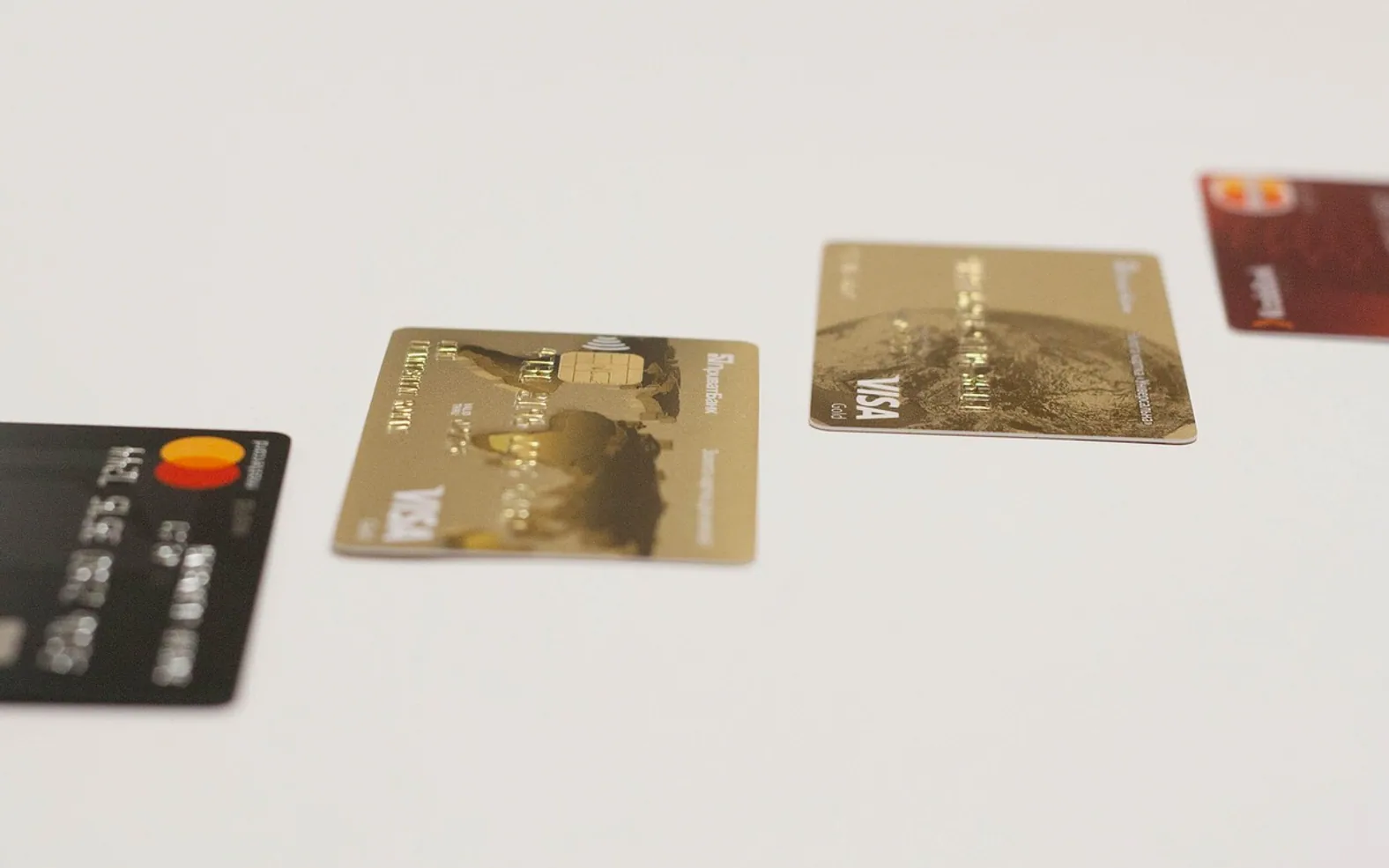
A flat battery is a common morning setback. Here is how to jump-start a car with cables or a booster pack, in the right order and with the right precautions.

Checking tire pressure takes a few minutes and a cheap gauge. Here is where to find the correct figure, how to take a reading and how to adjust it safely.

A balance sheet is a photograph of a business on one day: what it owns, what it owes and what is left for the owners. Here is how to read one line by line.

Net worth is one subtraction: everything you own minus everything you owe. Here is how to gather the figures, avoid the usual mistakes and use the result.

Buyers looking at homes in and around Dachau often have the same practical questions: how long is the commute into Munich, which rooms connect, is there a cellar, and what will the…

Belgium is a country where the evening news might be watched in Dutch in one living room and in French a few streets away, while a neighbour follows German-language programmes and the…

A business can rank on the first page, run eye-catching ads and post every day on social media, yet still struggle to see the effect on its order book. Attention is necessary,…

Picture a small bakery owner who needs a new menu icon, a teacher sketching a diagram for tomorrow's lesson and a developer who wants a cleaner loading animation. None of them wants…