How to Read a Balance Sheet Without an Accounting Degree
A balance sheet is a photograph of a business on one day: what it owns, what it owes and what is left for the owners. Here is how to read one line by line.
· 4 min read
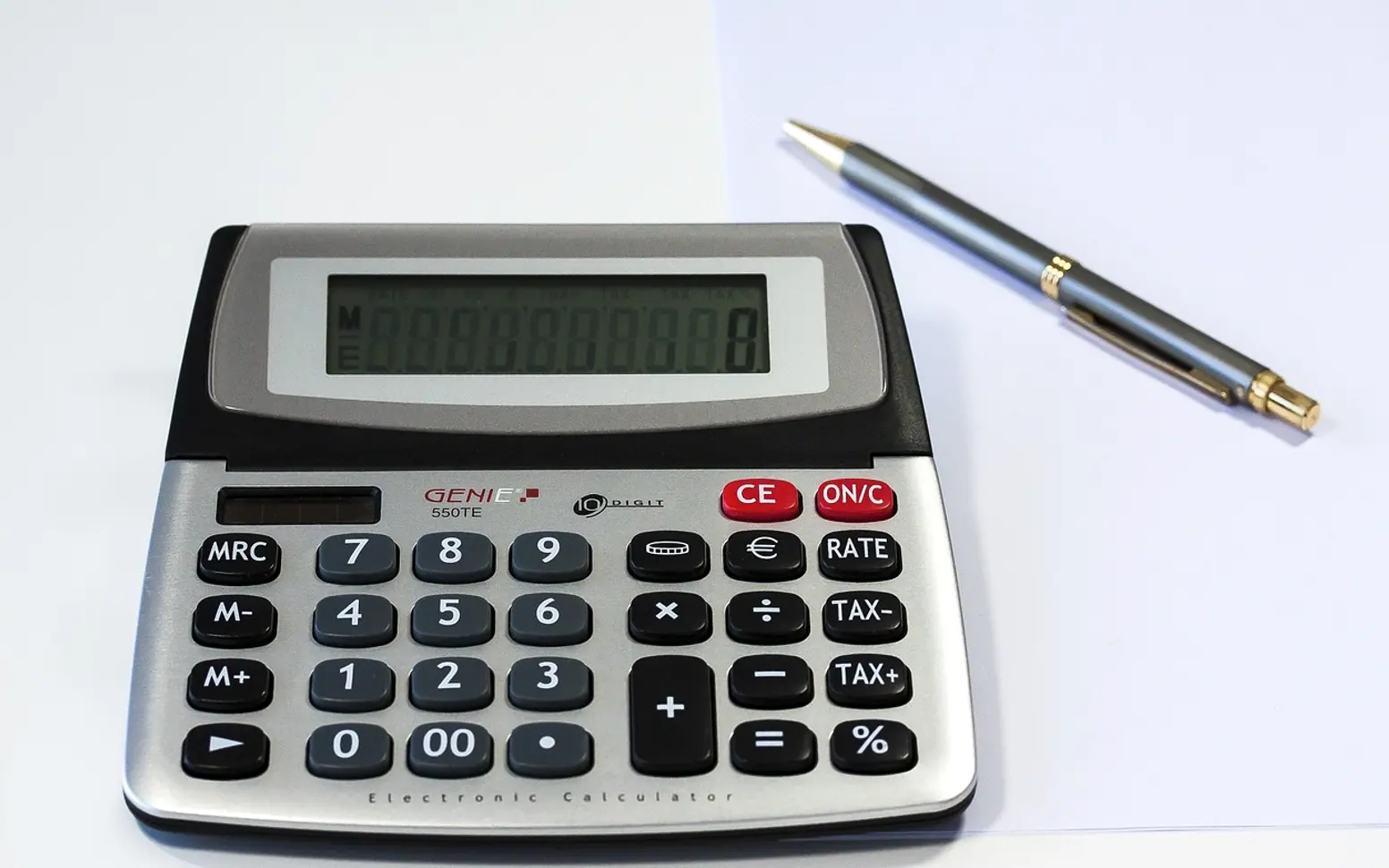
A balance sheet looks intimidating the first time you open one: columns of figures, unfamiliar headings and totals that somehow always match. Yet it rests on a single idea, and once that idea clicks, the rest of the page becomes a series of sensible questions. Whether you run a small company, are weighing up a supplier or simply want to understand the accounts your bookkeeper sends, you can learn to read one in an afternoon.
One equation holds it all together
Assets = liabilities + equity.
Everything a business owns was paid for either with borrowed money (liabilities) or with the owners' money and retained profits (equity). That is why the two halves always agree. If they do not, something has been recorded wrongly.
Unlike a profit and loss statement, which covers a period such as a year, a balance sheet describes a single date. Think of it as a photograph rather than a film.
Reading the assets section
Assets are usually split into two groups.
Current assets
These are expected to turn into cash within roughly a year: money in the bank, payments customers still owe (often called receivables or debtors), stock waiting to be sold and prepaid expenses. They show what the business can draw on soon.
Non-current assets
Also called fixed or long-term assets, these are kept for longer: premises, vehicles, machinery, computers and intangible items such as software or trademarks. Physical assets are normally shown after depreciation, which spreads their cost across their useful life, so the figure rarely matches what they would sell for today.
Reading the liabilities section
Liabilities follow the same split.
- Current liabilities are due within about a year: supplier invoices (payables or creditors), short-term loans, overdrafts, tax owed and wages due.
- Non-current liabilities fall due later: longer business loans, lease obligations and similar commitments.
The timing matters as much as the amount. A business can be sound on paper but strained if a large bill arrives before customers pay. That gap between invoicing and payment is one reason some firms look at options such as invoice finance; our comparison of factoring and traditional loans explains the trade-offs.
Reading the equity section
Equity is what would be left for the owners if every asset were sold at its stated value and every liability paid. It typically includes the capital the owners put in, plus profits kept in the business over the years (retained earnings), minus any losses and withdrawals. Growing equity over several balance sheets usually means the business has been keeping some of what it earns.
Three questions worth asking
You do not need complex ratios to learn a great deal. Start with these comparisons:
| Question | Compare | What it suggests |
|---|---|---|
| Can it pay what is due soon? | Current assets against current liabilities | Whether short-term bills are covered by short-term resources |
| How much is borrowed? | Total liabilities against equity | How heavily the business leans on lenders and suppliers |
| Is the cushion growing? | Equity this year against last year | Whether profits are being kept or eroded |
Accountants turn these into named ratios, such as the current ratio and debt-to-equity. What counts as comfortable differs widely between industries, so compare a business with its own past figures and with similar firms rather than with a universal target.
Lines that deserve a second look
- Receivables rising faster than sales. Customers may be paying more slowly.
- Stock piling up. Goods may be harder to sell than expected, or ordering may be out of step with demand.
- Cash shrinking while profits look healthy. Money may be tied up in stock, unpaid invoices or equipment.
- Short-term debt funding long-term assets. Buying machinery with an overdraft can create pressure when the overdraft is reviewed.
None of these is proof of trouble. Each is a prompt to ask a question, ideally of the person who prepared the accounts.
What a balance sheet will not tell you
It does not show how profitable the business was during the year, how cash moved in and out, or what the business might be worth to a buyer. For that you need the profit and loss statement, the cash flow statement and, often, some context about the market. Book values can also sit far from real-world values, especially for property and for brands that were built rather than bought.
The same thinking applies at home. A household version of the balance sheet is simply a net worth statement, and our guide on how to calculate your net worth shows how to draw one up.
Getting comfortable with practice
The quickest way to improve is repetition. Put two consecutive balance sheets for the same business side by side and note every line that moved noticeably. Then try to explain each change in a sentence. When you cannot, that is the line to ask about.
This article is a general introduction. For decisions about lending to, investing in or running a particular business, speak to a qualified accountant or an independent adviser who can look at the full set of figures.
Odd jobs
Quick wins around the house and the drive
Little jobs that save a headache later on.
Date your money check
Write the date on every net worth or budget sheet so next year's version compares fairly.
Keep a gauge in the glovebox
A personal tire gauge costs little and is often steadier than a forecourt one.
Restart before you ring
Many picture freezes clear once the router and the box have been switched off and on again.
Read the door placard
Your car's correct tire pressures come from the maker, not from the sidewall.
Desk rules
Rules of thumb behind our checks
A few principles that shape what reaches the page.
A vehicle handbook outranks any general car guide, ours included.
Credit scoring differs between countries and between agencies, so no single score explains every file.
Book values on a balance sheet can sit a long way from what an asset would actually sell for.
Apps and set-top boxes rearrange their menus often, which makes the provider's own help pages the freshest source.
A figure that depends on your lender, your car or your country is better looked up at the source than copied from an article.