From Small Shops to Large Enterprises: How Payment Platforms Are Driving Growth in India
Walk down almost any Indian market street and the change is visible on the counters: printed QR codes taped beside the till, a small speaker announcing each incoming payment, customers paying for…
· 2 min read
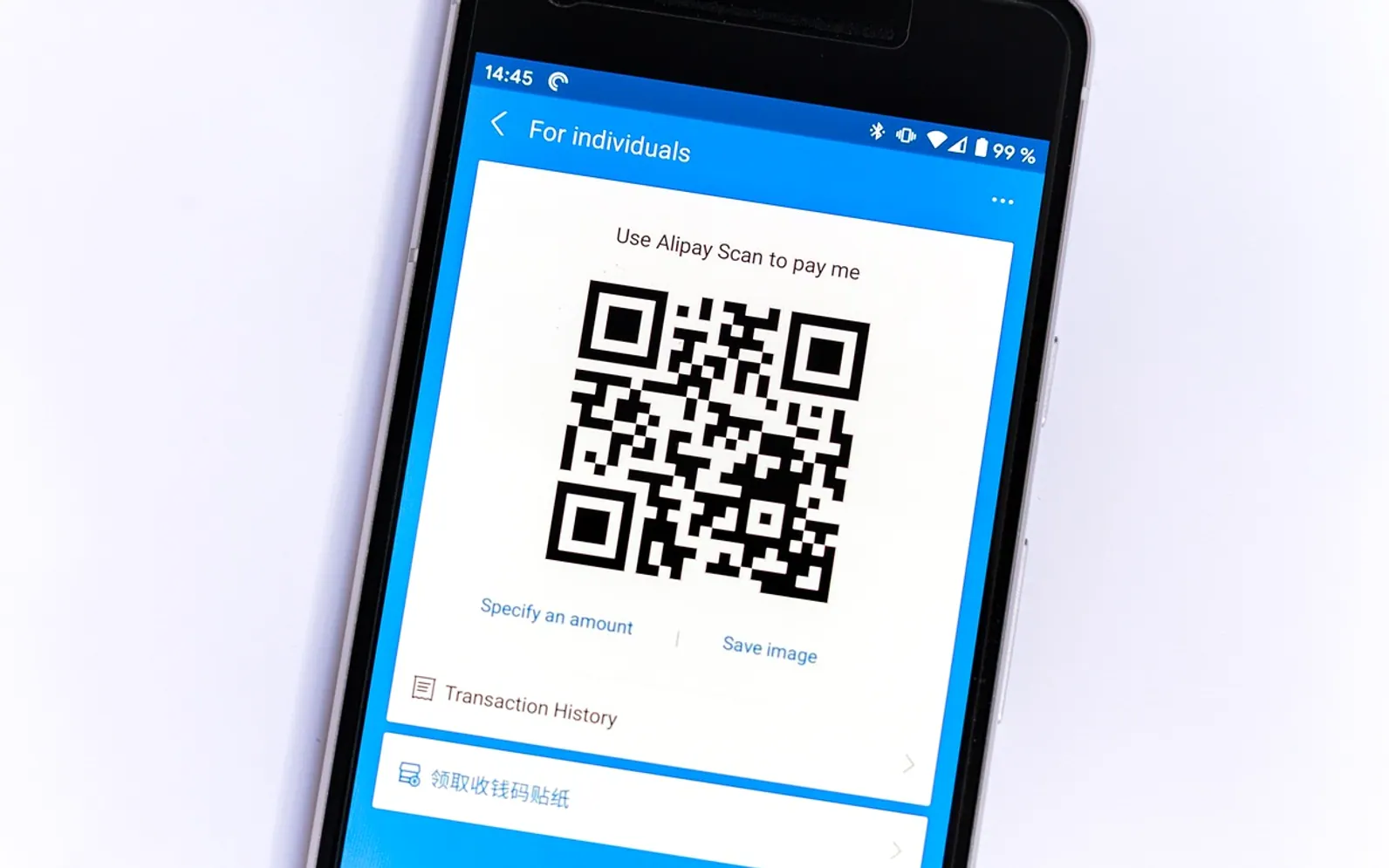
Walk down almost any Indian market street and the change is visible on the counters: printed QR codes taped beside the till, a small speaker announcing each incoming payment, customers paying for tea with their phones. That everyday scene is the entry point to a much larger story about how payment platforms help businesses grow at every size.
Stage one: the neighbourhood shop
For a kirana store or a street vendor, the first benefit of digital payments is simply not losing sales. Customers who carry little cash can still buy, change is no longer a problem and money arrives in a bank account rather than a drawer. UPI made this especially easy, because a merchant can start accepting payments with little more than a bank account and a QR code.
The quieter benefit is a record. Every transaction leaves a trace, and over time that history can help a small trader understand busy days, track takings and, in some cases, show a lender a more complete picture of the business.
Stage two: the growing brand
Once a business sells online or across several outlets, needs multiply. A growing direct-to-consumer brand typically wants:
- a checkout that accepts UPI, cards, net banking and wallets without friction;
- payment links and invoices for orders taken over chat or social media;
- clear settlement reports that match payments to orders;
- refund handling that keeps customers happy;
- subscriptions or recurring payments where the model calls for it.
Choosing the right platform at this stage is as much an operations decision as a financial one, because reconciliation errors and failed payments eat into margins quietly.
Stage three: the enterprise
Large companies handle high volumes across many channels and often many partners. For them, the priorities shift towards reliability during peak sales, routing transactions intelligently, managing payouts to vendors and partners, and meeting regulatory and data-security requirements. Analytics become strategic: payment data can reveal regional demand, popular methods and points where customers abandon a purchase.
Understanding the market from outside
Foreign companies entering India, and investors watching it, often find the ecosystem complex at first glance, with many methods, providers and rules to understand. Resources such as 印度支付, a guide aimed at Chinese-speaking readers interested in India's payment landscape, help make sense of how the pieces fit together and what to consider when setting up local payment acceptance.
| Business size | Main payment goal |
|---|---|
| Small shop | Accept every customer, keep records |
| Growing brand | Smooth checkout, clean reconciliation |
| Enterprise | Scale, uptime, compliance, insight |
Choosing with care
Fees, settlement times, contract terms and support quality differ between platforms, and rules for payment businesses in India are updated from time to time. Compare offers carefully, check that a provider meets current regulatory requirements and seek advice from an accountant or adviser on tax and compliance questions. Picked thoughtfully, the right platform becomes far more than a way to get paid; it turns into a tool that supports growth at every stage.
Odd jobs
Quick wins around the house and the drive
Little jobs that save a headache later on.
Date your money check
Write the date on every net worth or budget sheet so next year's version compares fairly.
Keep a gauge in the glovebox
A personal tire gauge costs little and is often steadier than a forecourt one.
Restart before you ring
Many picture freezes clear once the router and the box have been switched off and on again.
Read the door placard
Your car's correct tire pressures come from the maker, not from the sidewall.
Desk rules
Rules of thumb behind our checks
A few principles that shape what reaches the page.
A vehicle handbook outranks any general car guide, ours included.
Credit scoring differs between countries and between agencies, so no single score explains every file.
Book values on a balance sheet can sit a long way from what an asset would actually sell for.
Apps and set-top boxes rearrange their menus often, which makes the provider's own help pages the freshest source.
A figure that depends on your lender, your car or your country is better looked up at the source than copied from an article.