The Shaky Start: Why Your Car Trembles Upon Ignition but Smoothens Out Later
It is a familiar morning puzzle. The key turns or the button is pressed, the whole car trembles for a few seconds or even a minute, and then everything settles into a…
· 2 min read
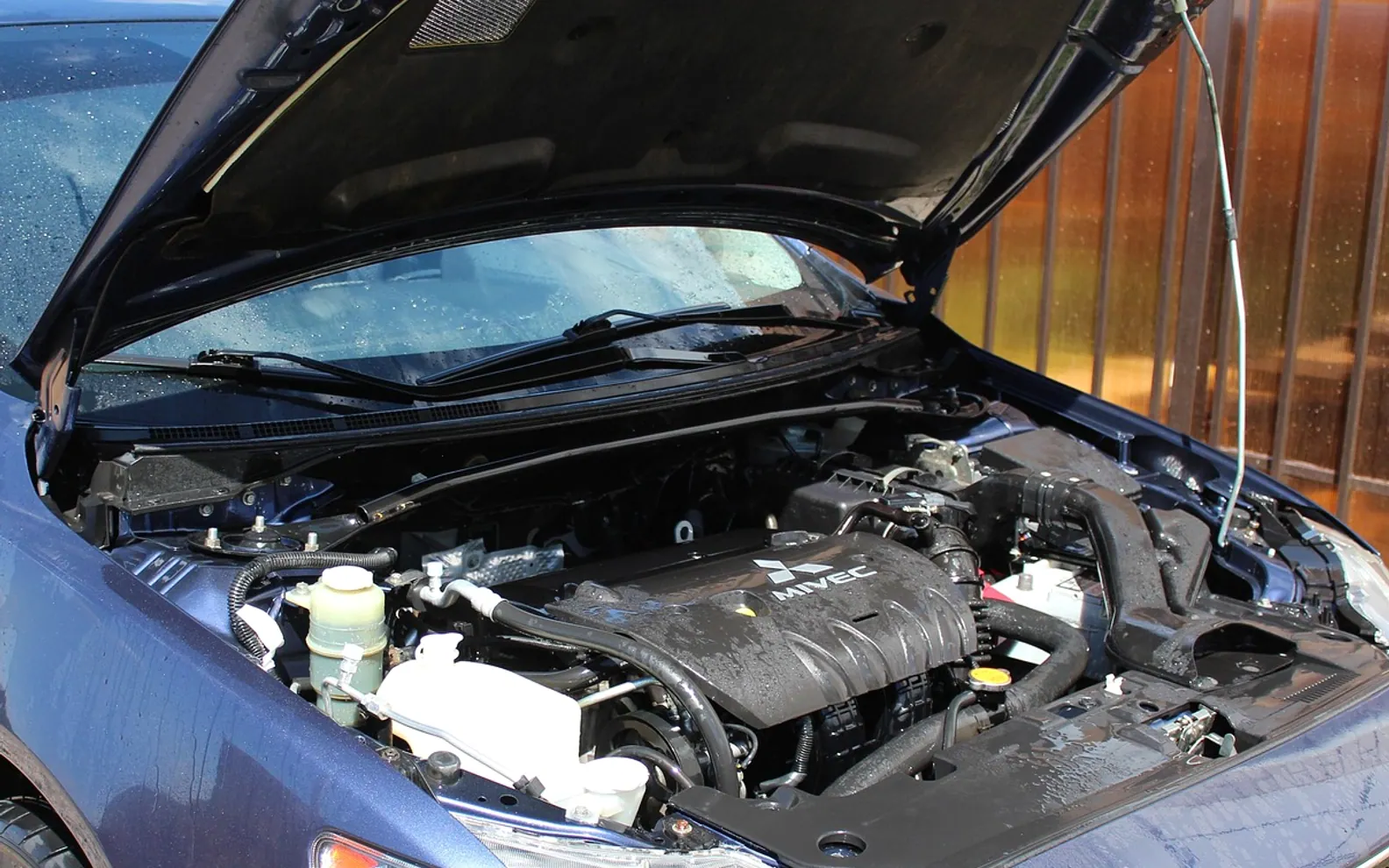
It is a familiar morning puzzle. The key turns or the button is pressed, the whole car trembles for a few seconds or even a minute, and then everything settles into a normal, quiet idle. Because the problem disappears so quickly, it is tempting to ignore it. Sometimes that is fine; often it is an early hint that something needs attention before it becomes expensive.
Start with a short diary
Mechanics find intermittent faults much easier to trace when the driver can describe the pattern. Before booking a visit, it is worth jotting down a few details over a week or two:
- Does it happen only after the car has stood overnight, or after short stops as well?
- Is it worse on cold or damp mornings?
- Is the vibration felt through the steering wheel, the seat, or the whole body?
- Does the engine warning light flash or stay lit?
- Does the engine speed rise and fall, or stay steady while shaking?
Drivers searching for why a car shakes when starting but then runs fine will find that these observations line up neatly with the usual suspects, which makes the explanation far easier to follow.
The usual suspects
Ignition parts
Worn spark plugs, a tired ignition coil or damaged leads can cause one cylinder to misfire. When the engine is cold the mixture is harder to ignite, so the misfire is more noticeable, then fades as temperatures rise.
Air and fuel delivery
Dirty injectors, a clogged throttle body or a small vacuum leak can upset the air-fuel balance at start-up. The engine computer compensates as sensors warm up, which is why the roughness fades.
Sensors
The engine relies on readings such as coolant temperature to decide how rich the mixture should be at start-up. A faulty sensor can send misleading information and produce a rough first minute.
Engine mounts
Rubber mounts hold the engine in place and absorb vibration. When they harden or crack, the normal shudder of a cold engine is passed straight into the cabin. Worn mounts often also cause a clunk when pulling away.
Oil and lubrication
Using the wrong grade of oil, or letting it get old and thick, can make a cold engine run less smoothly until oil pressure builds.
When to stop and get help
Some signs mean the car should be checked promptly rather than at the next service:
- A flashing engine warning light, which often indicates a serious misfire.
- Shaking that continues once the engine is warm, or that gets worse while driving.
- A smell of fuel, burning or coolant.
- Loss of power, stalling or difficulty restarting.
A garage can read stored fault codes, test the ignition system and inspect mounts and hoses fairly quickly.
Prevention that pays off
Following the manufacturer's service schedule covers most of the causes above: fresh oil of the correct grade, plugs replaced at the recommended interval and filters kept clean. Using reputable fuel and dealing promptly with any warning light also helps. A brief shake on a frosty morning is not always a cause for alarm, but it is worth understanding, since small fixes made early tend to cost far less than repairs left until the problem no longer goes away.
Odd jobs
Quick wins around the house and the drive
Little jobs that save a headache later on.
Date your money check
Write the date on every net worth or budget sheet so next year's version compares fairly.
Keep a gauge in the glovebox
A personal tire gauge costs little and is often steadier than a forecourt one.
Restart before you ring
Many picture freezes clear once the router and the box have been switched off and on again.
Read the door placard
Your car's correct tire pressures come from the maker, not from the sidewall.
Desk rules
Rules of thumb behind our checks
A few principles that shape what reaches the page.
A vehicle handbook outranks any general car guide, ours included.
Credit scoring differs between countries and between agencies, so no single score explains every file.
Book values on a balance sheet can sit a long way from what an asset would actually sell for.
Apps and set-top boxes rearrange their menus often, which makes the provider's own help pages the freshest source.
A figure that depends on your lender, your car or your country is better looked up at the source than copied from an article.