The Ultimate Guide to Choosing the Right Tyres for Every Season
Tyres are the only parts of a car that touch the road, and each one meets it through a patch roughly the size of a hand. Braking, steering and grip in the…
· 2 min read
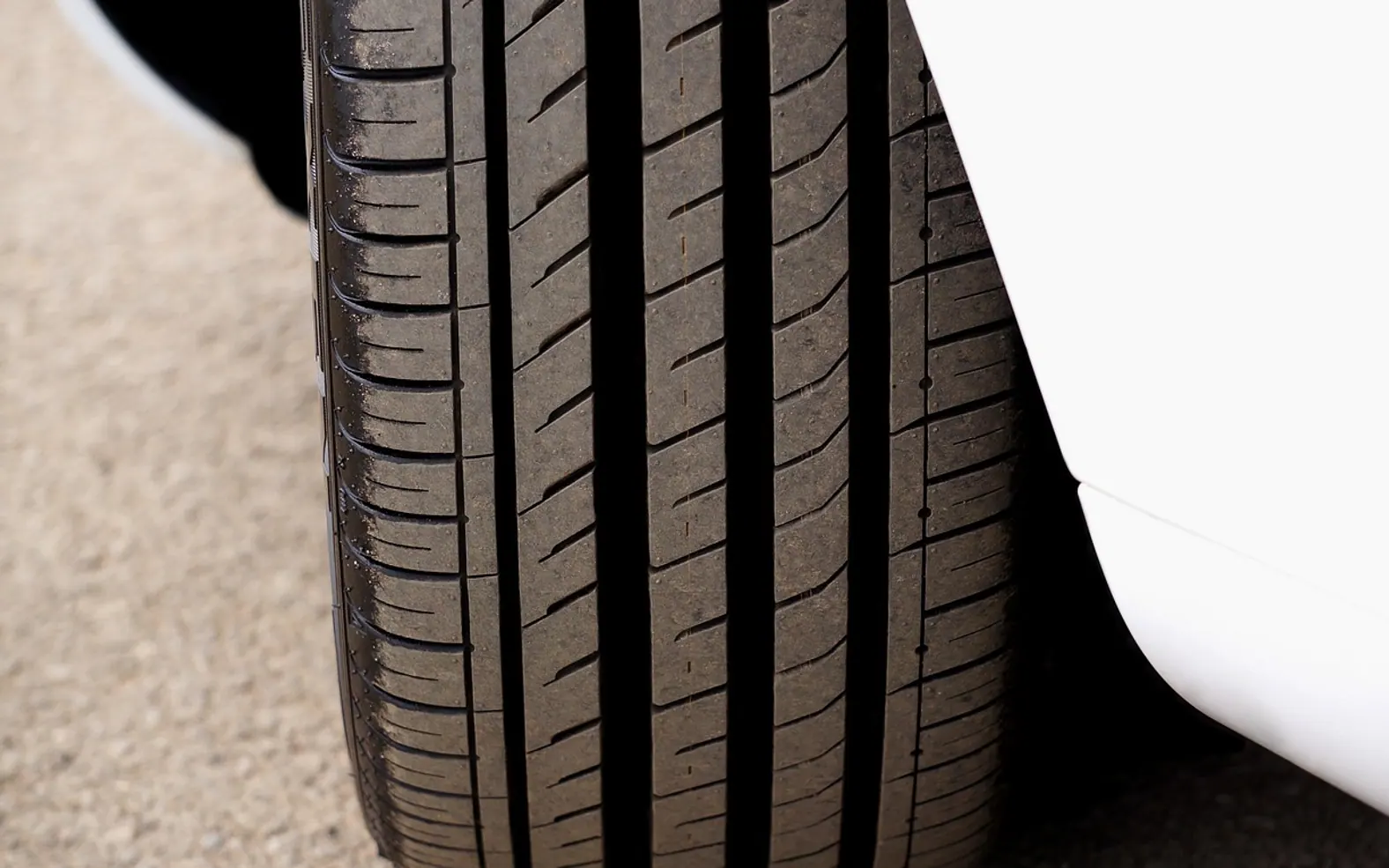
Tyres are the only parts of a car that touch the road, and each one meets it through a patch roughly the size of a hand. Braking, steering and grip in the rain all depend on those four small areas. In a country where a single week can bring warm sunshine, heavy rain and an early frost, choosing the right rubber is less about preference and more about matching the tyre to the conditions you actually drive in.
The three main options
| Type | Best suited to | Trade-off |
|---|---|---|
| Summer | Mild to warm temperatures, dry and wet roads | Compound hardens and loses grip in real cold |
| Winter | Cold mornings, slush, snow and ice | Wears faster and feels softer on warm roads |
| All-season | Mixed climates without long spells of severe cold | A compromise at both extremes |
The difference comes from rubber chemistry and tread design. Winter tyres use compounds that stay flexible when temperatures drop and many small slits, called sipes, that bite into snow. Summer tyres use firmer compounds and fewer grooves for precise handling when it is warmer.
Matching tyres to where you live
Drivers in towns and southern areas with only occasional frost often find good all-season tyres the most practical choice, avoiding the cost and storage of two sets. Those in hilly or northern regions, or who commute early on rural roads, may benefit from switching to winter tyres for the colder months. Annual mileage matters too: someone who drives very little may not wear out a dedicated winter set before the rubber ages.
Fitting itself has become far more convenient. Services such as Mobile Tyres come to a home or workplace to fit new tyres, which saves a trip to a garage and makes the seasonal changeover much easier to fit into a busy week.
Reading the sidewall
The string of numbers on the side of a tyre tells you a lot. A marking such as 205/55 R16 91V describes the width in millimetres, the sidewall height as a percentage of that width, the rim diameter in inches, the load index and the speed rating. Replacement tyres should match the size and meet or exceed the load and speed ratings listed in the vehicle handbook. A mountain-and-snowflake symbol indicates a tyre tested for severe snow conditions.
Checks that keep you safe all year
- Tread depth. The legal minimum in the UK is 1.6mm across the central part of the tread, but grip in the wet reduces well before that point.
- Pressure. Check monthly and before long trips, using the figures in the handbook or on the door pillar.
- Damage. Look for cuts, bulges or objects stuck in the tread.
- Age. Rubber deteriorates over time even with plenty of tread, so check the manufacture date on the sidewall.
- Even wear. Uneven patterns may point to alignment or suspension problems that a garage should inspect.
Spending a little time on these checks, and choosing a tyre type that suits your roads and weather, pays back in shorter stopping distances and steadier handling whatever the season brings.
Odd jobs
Quick wins around the house and the drive
Little jobs that save a headache later on.
Date your money check
Write the date on every net worth or budget sheet so next year's version compares fairly.
Keep a gauge in the glovebox
A personal tire gauge costs little and is often steadier than a forecourt one.
Restart before you ring
Many picture freezes clear once the router and the box have been switched off and on again.
Read the door placard
Your car's correct tire pressures come from the maker, not from the sidewall.
Desk rules
Rules of thumb behind our checks
A few principles that shape what reaches the page.
A vehicle handbook outranks any general car guide, ours included.
Credit scoring differs between countries and between agencies, so no single score explains every file.
Book values on a balance sheet can sit a long way from what an asset would actually sell for.
Apps and set-top boxes rearrange their menus often, which makes the provider's own help pages the freshest source.
A figure that depends on your lender, your car or your country is better looked up at the source than copied from an article.