Car Dashboard Lights: What the Warning Symbols Mean
Dashboard symbols follow a simple color logic. Learn which lights mean stop now, which mean book a check and which are just telling you a system is switched on.
· 4 min read
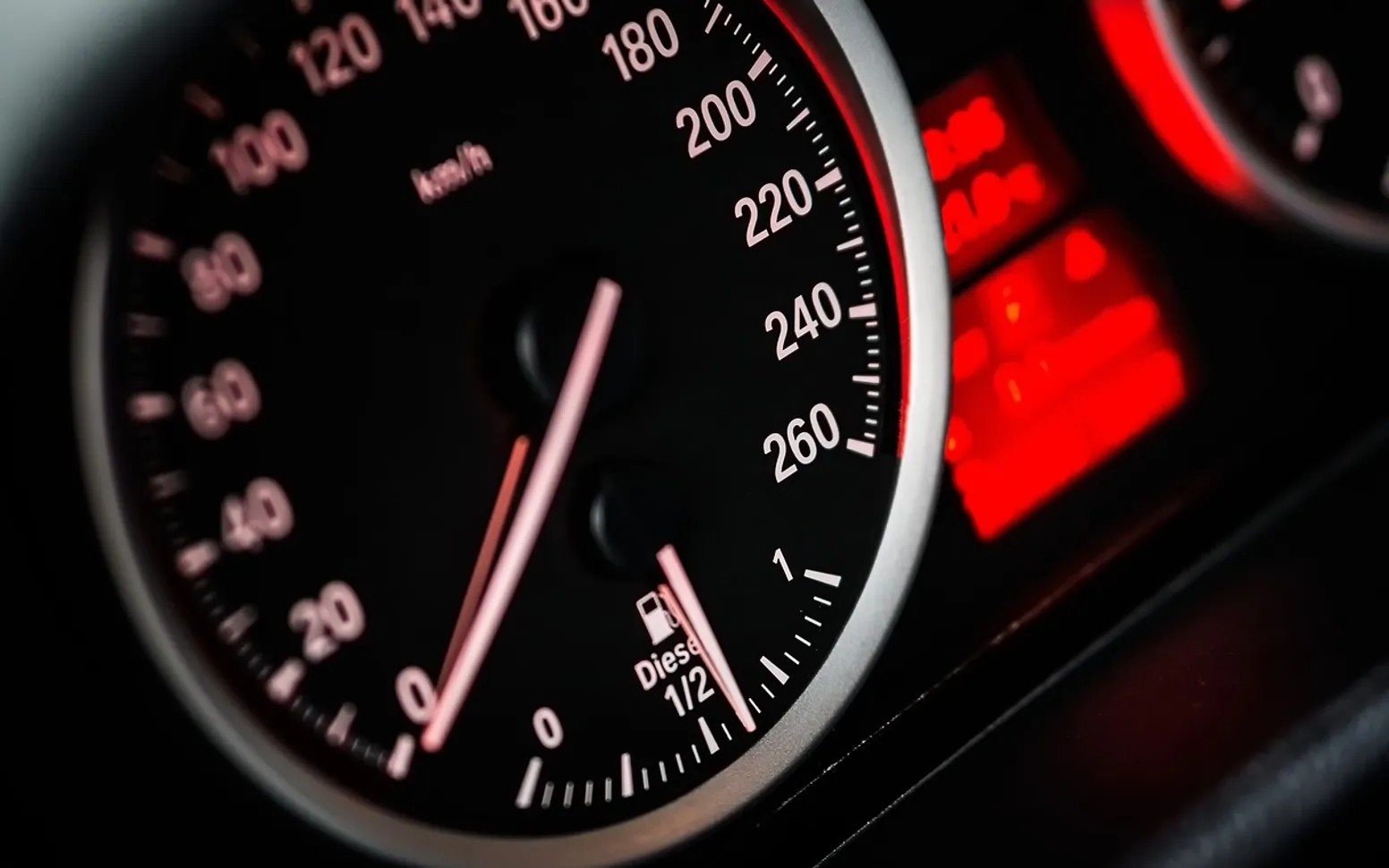
Dashboard warning lights work on a traffic-light system. Red means a serious problem or a safety issue: stop when it is safe and find out why. Amber or yellow means something needs checking soon, but the car can usually be driven with care. Green or blue lights are information only, confirming that a feature such as headlights or cruise control is switched on.
Symbols differ between manufacturers, and the owner's manual is the final word for your car. The guide below covers the lights most drivers will meet and what to do about each.
The startup light check
When you switch the ignition on, most warning lights glow briefly and then go out. This is a bulb and system self-test, and it is normal. A light that stays on after the engine starts, or comes on while driving, is the one to pay attention to. A light that never appears during the self-test may itself have a fault.
Red lights: stop and investigate
| Symbol | What it usually means | What to do |
|---|---|---|
| Oil can with a drip | Low oil pressure | Pull over safely and switch off the engine. Check the level with the steps in how to read an oil dipstick. Do not drive on if the light stays on after topping up. |
| Thermometer in wavy lines | Engine overheating | Stop and switch off. Never open a hot coolant cap; wait for the engine to cool completely. |
| Circle with an exclamation mark, or the word BRAKE | Parking brake on, low brake fluid or a brake system fault | Check the parking brake first. If it stays lit, have the brakes inspected before driving further. |
| Battery outline | The charging system is not keeping the battery charged | Switch off non-essential electrics and head straight for help; the car may run only until the battery drains. |
| Seated figure with a circle | Airbag or restraint system fault | The car may drive normally, but airbags may not deploy. Book a check promptly. |
| Steering wheel with an exclamation mark | Power steering fault | Steering may become heavy. Drive slowly to a safe stop and get advice. |
Amber lights: book a check
Engine outline (check engine or malfunction light)
This light covers a wide range of engine and emissions faults, from a loose fuel cap to sensor problems. If it is steady, the car can usually be driven gently to a workshop for a diagnostic scan. If it flashes, the engine may be misfiring badly; reduce speed and get it checked as soon as possible, because continued driving can damage expensive parts.
Horseshoe shape with an exclamation mark (tire pressure)
The tire pressure monitoring system has detected that one or more tires is underinflated. Check all four with a gauge, following how to check tire pressure. If the symbol flashes for a minute or so at startup and then stays lit, the monitoring system itself usually has a fault, such as a sensor battery that has run down.
ABS
The anti-lock braking system has a fault. Normal braking usually still works, but the anti-lock function may not. Have it checked soon, and allow more stopping distance in the meantime.
Car with wavy lines (traction or stability control)
A flicker while driving on a slippery surface means the system is working. A steady light, or one with the word OFF, means it has been switched off or has a fault.
Other common amber symbols
- Fuel pump: low fuel.
- Windshield with a spray: washer fluid is low.
- Coil shape (diesels): glow plugs warming; wait for it to go out before starting.
- Box with dots (diesels): the particulate filter needs to clean itself, often with a longer drive at steady speed. The manual explains the process.
- Wrench or spanner: a scheduled service is due.
Green and blue lights: information only
- Headlights, fog lights and turn signals.
- Blue headlamp symbol: high beams are on.
- Cruise control set or active.
- Eco or start-stop mode active.
What to do when a warning light comes on
- Note the color and whether it is steady or flashing.
- Check how the car feels. New noises, smells, smoke, vibration or a change in steering or braking raise the urgency.
- For red lights, stop as soon as it is safe, switch on hazard lights and switch off the engine where the manual advises.
- Look the symbol up in the owner's manual. Many manuals have a dedicated page of warning lights.
- Get help when unsure. Roadside assistance or a qualified mechanic can diagnose faults that a manual cannot.
Frequently asked questions
Why did the battery light come on after a jump-start?
If the battery light stays on once the engine is running, the alternator may not be charging properly, which can be why the battery went flat in the first place. The guides on jump-starting a car safely and how long car batteries last explain what to check next.
Can I reset a warning light myself?
Some lights, such as service reminders and tire pressure warnings after inflation, can be reset through the car's menus. Clearing a fault light without fixing the cause only hides the problem, and it will usually return.
Why are there so many more symbols on newer cars?
Modern cars monitor many more systems, including driver assistance features such as lane keeping and automatic emergency braking. Each has its own symbol, and the manual lists them all.
When a red warning appears or the car behaves strangely, stop somewhere safe and seek qualified help rather than relying on a general guide.
Odd jobs
Quick wins around the house and the drive
Little jobs that save a headache later on.
Date your money check
Write the date on every net worth or budget sheet so next year's version compares fairly.
Keep a gauge in the glovebox
A personal tire gauge costs little and is often steadier than a forecourt one.
Restart before you ring
Many picture freezes clear once the router and the box have been switched off and on again.
Read the door placard
Your car's correct tire pressures come from the maker, not from the sidewall.
Desk rules
Rules of thumb behind our checks
A few principles that shape what reaches the page.
A vehicle handbook outranks any general car guide, ours included.
Credit scoring differs between countries and between agencies, so no single score explains every file.
Book values on a balance sheet can sit a long way from what an asset would actually sell for.
Apps and set-top boxes rearrange their menus often, which makes the provider's own help pages the freshest source.
A figure that depends on your lender, your car or your country is better looked up at the source than copied from an article.