How to Check Tire Pressure
Checking tire pressure takes a few minutes and a cheap gauge. Here is where to find the correct figure, how to take a reading and how to adjust it safely.
· 4 min read
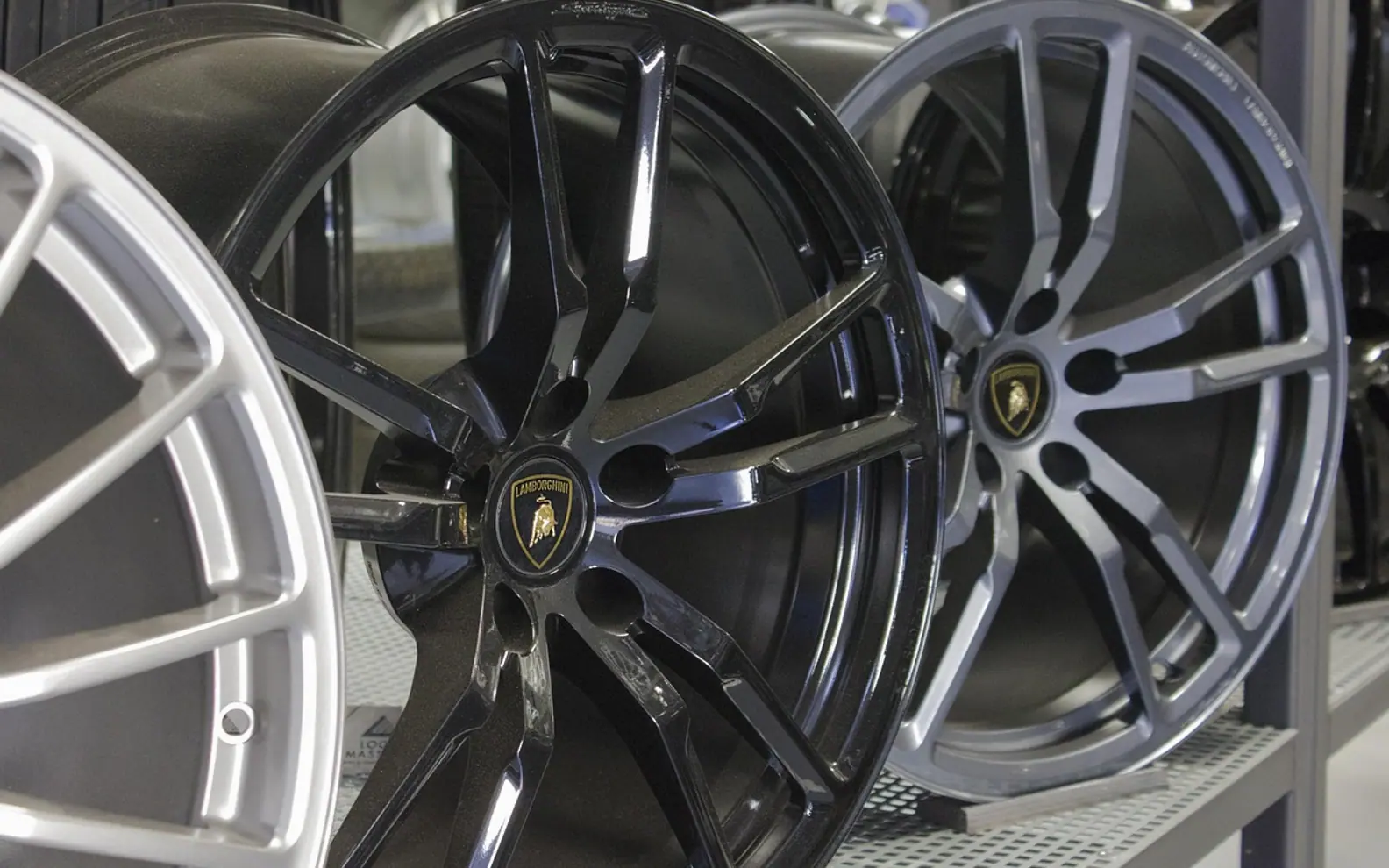
Of all the small jobs that keep a car safe, checking tire pressure is among the quickest. It needs no tools beyond a gauge and a source of air, and it can be done in a driveway or at a fuel station in a few minutes. Correctly inflated tires help the car brake, steer and grip the way its engineers intended, and they tend to wear more evenly too.
This guide covers where to find the right pressure, how to measure it and how to put things right. If you are new to the subject, our guide to choosing tyres for every season explains how tire types differ.
What you need
- A tire pressure gauge. Pencil-style, dial and digital gauges all work. A personal gauge is handy because the ones built into forecourt air lines are not always accurate.
- An air source. A forecourt compressor, a portable 12-volt inflator or a foot pump.
- The correct figure for your car, which comes next.
Step 1: find the recommended pressure
The right number is set by the vehicle maker, not by the tire. You will usually find it in one of these places:
- A sticker or placard inside the driver's door frame
- Inside the fuel filler flap
- In the owner's handbook
Many cars list different figures for front and rear, and a higher setting for heavy loads or motorway driving with a full car. The number moulded into the tire sidewall is the maximum the tire can hold, not the pressure you should run. Do not inflate to that figure.
Pressures may be given in PSI, bar or kPa. Check that your gauge is reading in the same unit, or convert before you start.
Step 2: check when the tires are cold
Air expands as tires warm up during a drive, so readings taken straight after a journey will look higher than they really are. The recommended figures assume cold tires. Ideally, measure before setting off, or after the car has been parked for a few hours. If you have to drive to an air line, keep the trip short and gentle.
Step 3: take the reading
- Park on level ground, switch off the engine and apply the handbrake.
- Unscrew the valve cap and put it somewhere it will not roll away.
- Press the gauge firmly and squarely onto the valve. A brief hiss as you connect is normal; a constant hiss means it is not sealed, so reposition it.
- Read the figure and compare it with the recommendation for that wheel.
- Repeat for all four tires, and the spare if your car carries one.
Taking two readings on each tire and using the steadier one helps rule out a poor connection.
Step 4: add or release air
If the pressure is low
Attach the air line or inflator to the valve and add air in short bursts, checking with your gauge between bursts. Forecourt machines often let you set a target pressure and stop automatically, but it is still worth confirming with your own gauge afterwards.
If the pressure is high
Press the small pin in the centre of the valve briefly with the back of the gauge or a fingernail to let some air out, then measure again. Small adjustments are easier to control than one long release.
When every tire matches its figure, screw the valve caps back on. They keep dirt and moisture away from the valve core.
How often to check
Tires lose a little air naturally over time, and the pace varies with temperature, age and the condition of the valves. Many owners make it part of a monthly routine and add an extra check before long trips, before carrying a heavy load, and when the weather turns noticeably colder, since cold air takes up less space.
What the warning light means
Many newer cars have a tire pressure monitoring system that lights a dashboard symbol when a tire drops noticeably. Treat it as a prompt to check all four tires with a gauge soon, not as a substitute for regular checks. Some systems need resetting after you adjust the pressures; the handbook explains how.
Safety notes
- If a tire is visibly flat, has a bulge, a cut in the sidewall or exposed cords, do not drive on it. Fit the spare or call for roadside help.
- A tire that keeps losing pressure after you top it up may have a puncture or a faulty valve. Have it inspected by a tire fitter.
- At the roadside, park well away from traffic, switch on your hazard lights and stand clear of the carriageway while you work.
- Never exceed the maximum pressure printed on the sidewall.
While you are crouched by each wheel, glance at the tread for uneven wear, stones or nails. And if you are checking the car after a cold spell, it is worth knowing how to jump-start a car safely in case the battery has suffered too.
Odd jobs
Quick wins around the house and the drive
Little jobs that save a headache later on.
Date your money check
Write the date on every net worth or budget sheet so next year's version compares fairly.
Keep a gauge in the glovebox
A personal tire gauge costs little and is often steadier than a forecourt one.
Restart before you ring
Many picture freezes clear once the router and the box have been switched off and on again.
Read the door placard
Your car's correct tire pressures come from the maker, not from the sidewall.
Desk rules
Rules of thumb behind our checks
A few principles that shape what reaches the page.
A vehicle handbook outranks any general car guide, ours included.
Credit scoring differs between countries and between agencies, so no single score explains every file.
Book values on a balance sheet can sit a long way from what an asset would actually sell for.
Apps and set-top boxes rearrange their menus often, which makes the provider's own help pages the freshest source.
A figure that depends on your lender, your car or your country is better looked up at the source than copied from an article.