How Long Do Tires Last? Mileage, Age and the Date Code
A tire can wear out on the road or simply grow too old in the garage. Here is how to judge both, starting with the four-digit date code most drivers never notice.
· 4 min read
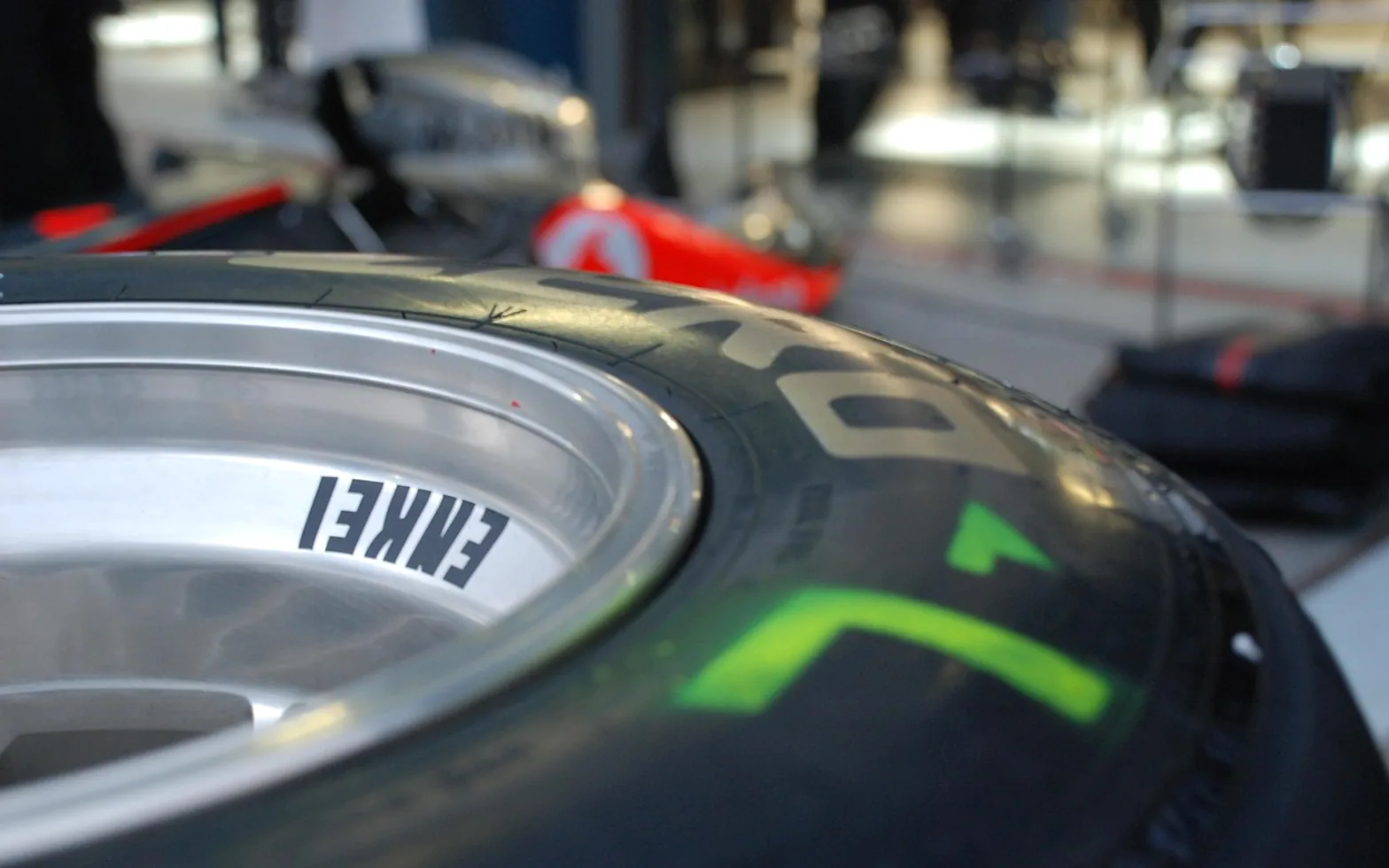
Tires reach the end of their useful life in one of two ways: the tread wears down, or the rubber ages until it is no longer trustworthy, whichever happens first. How many miles a set delivers varies widely with the tire type, the car, the roads and the way it is driven. Age is easier to pin down, because every tire carries its production date on the sidewall.
This guide covers both clocks and how to tell which one is running out on your car.
Clock one: tread wear
A tire is worn out when its tread reaches the minimum safe depth. The step-by-step on how to check tire tread depth explains the penny and quarter tests and the wear bars. How quickly a tire gets there depends on several things:
- Tire design. Touring and all-season tires are usually built for long wear. Performance and soft winter compounds trade some longevity for grip.
- Driving style. Hard cornering, quick launches and heavy braking scrub rubber away.
- Inflation. Running tires underinflated or overinflated wears them unevenly and faster. A monthly check using the guide on how to check tire pressure is one of the simplest ways to add life.
- Alignment and suspension. A car that pulls to one side, or worn suspension parts, can chew through one edge of a tire.
- Rotation. Moving tires between positions at the intervals in the owner's manual helps all four wear at a similar rate.
- Roads and climate. Rough surfaces, gravel and heat all add wear.
- Vehicle weight. Heavier vehicles, including many electric cars with large batteries, place more load on their tires.
What the treadwear rating tells you
Many tires sold in the US carry a Uniform Tire Quality Grading on the sidewall, including a treadwear number. A higher figure suggests slower wear in a standardized test, but the number is relative and best used to compare tires within one manufacturer's range rather than as a mileage promise. Some tires also come with a mileage warranty from the maker, and its terms usually depend on regular rotation and correct inflation.
Clock two: age
Rubber compounds slowly harden and lose flexibility over time, even on a tire that is rarely used. Sunlight, heat and ozone speed this up. An old tire may look fine and still have weaker grip or a higher chance of tread separation.
Guidance on age varies. Some vehicle makers advise replacing tires at around six years regardless of tread, and many tire makers put the outer limit at about ten years, with an annual inspection by a professional from roughly the fifth year onward. Follow the guidance in your owner's manual and from the tire maker, and treat any visible aging signs as more important than the date.
How to read the tire date code
Look on the sidewall for a sequence beginning with the letters DOT. It is sometimes only printed on one side, so check the inner face if the outer one does not show it.
- Find the end of the DOT sequence. The final four digits are the date code, often inside a small oval.
- The first two digits are the week of the year the tire was made.
- The last two digits are the year.
| Code | Meaning |
|---|---|
| 0819 | Made in the 8th week of 2019 |
| 3622 | Made in the 36th week of 2022 |
| 1525 | Made in the 15th week of 2025 |
Tires made before 2000 used a three-digit code. If you see only three digits, the tire is well past any reasonable age limit.
It is worth checking the date code on new tires when they are fitted too. A tire can sit in storage for a while before it is sold, and you are entitled to ask about its age.
Signs a tire should be replaced now
- Tread at or below the wear bars.
- Cracks in the sidewall or between tread blocks, sometimes called weather checking.
- Bulges or blisters on the sidewall, which can signal internal damage.
- Cords or fabric showing through the rubber.
- Repeated loss of pressure that a repair cannot fix.
- A new vibration that a wheel balance does not cure.
Any of these warrants a professional inspection before the car is driven much further.
Do not forget the spare
A spare tire can sit unused for many years and still look new. Check its pressure when you check the others, and read its date code. A full-size spare that has aged out should be replaced like any other tire, and a compact temporary spare is only designed for short distances at reduced speed.
Frequently asked questions
Do tires age if the car is not driven?
Yes. Aging happens with time and exposure, not just with miles. A car that sits for long spells can also develop flat spots on its tires.
Are winter tires stored in a garage still aging?
They are, though a cool, dark, dry place slows the process. Store them away from direct sunlight, heaters and electric motors. The guide to choosing tyres for every season covers when seasonal sets make sense.
Should I replace tires in pairs?
Many drivers replace both tires on an axle together for even handling. Some all-wheel-drive systems are sensitive to differences in tire diameter, so check the manual or ask a tire professional before replacing just one or two.
Odd jobs
Quick wins around the house and the drive
Little jobs that save a headache later on.
Date your money check
Write the date on every net worth or budget sheet so next year's version compares fairly.
Keep a gauge in the glovebox
A personal tire gauge costs little and is often steadier than a forecourt one.
Restart before you ring
Many picture freezes clear once the router and the box have been switched off and on again.
Read the door placard
Your car's correct tire pressures come from the maker, not from the sidewall.
Desk rules
Rules of thumb behind our checks
A few principles that shape what reaches the page.
A vehicle handbook outranks any general car guide, ours included.
Credit scoring differs between countries and between agencies, so no single score explains every file.
Book values on a balance sheet can sit a long way from what an asset would actually sell for.
Apps and set-top boxes rearrange their menus often, which makes the provider's own help pages the freshest source.
A figure that depends on your lender, your car or your country is better looked up at the source than copied from an article.