What Is a Branded Title on a Car? Clean, Salvage and Rebuilt Explained
A title brand is a permanent note on a car's ownership record. Here is what clean, salvage and rebuilt titles mean, how they affect value and how a title differs from registration.
· 4 min read
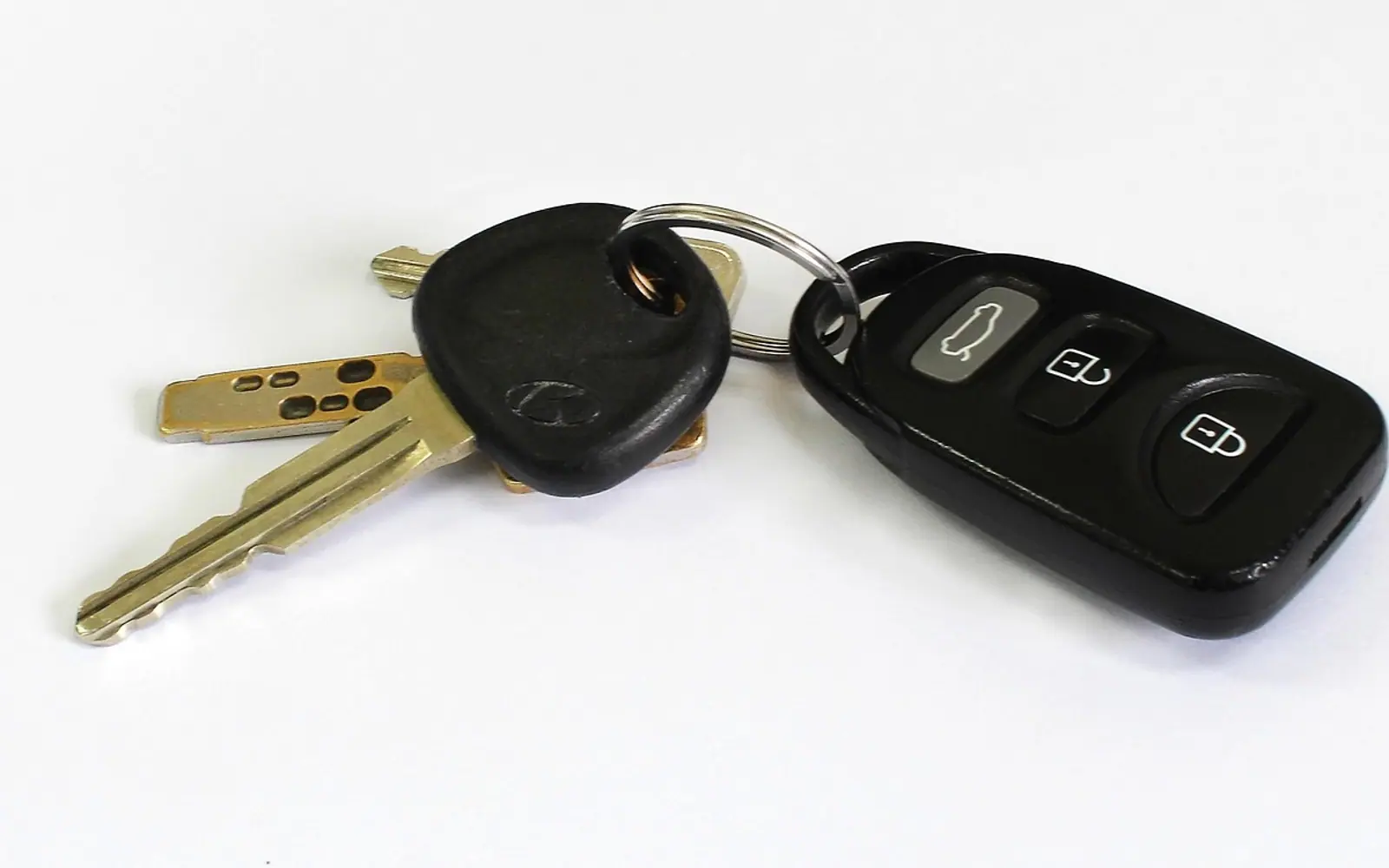
A branded title is a vehicle title that carries a permanent label warning about the car's past, such as serious damage, a flood or a manufacturer buyback. A clean title has no such label. The brand stays with the vehicle when it is sold, so it affects what the car is worth, whether a lender will finance it and how an insurer will cover it.
Rules and wording differ from one US state to another, so treat this as a general overview and confirm details with your state's motor vehicle agency.
First, what a title actually is
A certificate of title is the legal record of who owns a vehicle. It lists the owner's name, the vehicle identification number (VIN), the make, model and year, and often the odometer reading at the last transfer. If the car was bought with a loan, the lender is usually recorded as a lienholder until the loan is repaid, and some states keep the title with the lender or in electronic form during that time.
Car title vs registration
The two documents are often confused because they come from the same agency, but they do different jobs.
| Title | Registration | |
|---|---|---|
| Purpose | Proves ownership | Permits the vehicle to be driven on public roads |
| How often | Issued once per owner, transferred on sale | Renewed at regular intervals set by the state |
| Where it lives | Somewhere safe at home, never in the glove box | Usually carried in the car, with plates or a sticker as proof |
| Needed when | Selling, transferring or paying off a loan | Driving, traffic stops, renewals and inspections |
Keeping the title out of the car matters: a thief who finds both the car and its title has an easier time selling it.
The main title types
Clean title
A clean title has no brand. It does not guarantee the car has never been in an accident, only that the history has not triggered a brand under the state's rules. Minor and moderate repairs normally leave the title clean.
Salvage title
A salvage brand usually follows when an insurer declares a car a total loss, meaning repairs would cost more than a set share of its value. Thresholds and definitions vary by state. In many states a salvage-titled car cannot be registered or driven on public roads until it has been repaired and inspected.
Rebuilt or reconstructed title
A rebuilt title shows that a former salvage vehicle has been repaired and has passed the state's inspection, so it can be registered and driven again. The brand remains permanently, because the car's history has not changed.
Other brands
- Flood or water damage: the car has been submerged or badly affected by water.
- Lemon or manufacturer buyback: the maker repurchased the car under a state lemon law because of a recurring defect.
- Junk or non-repairable: the vehicle is only for parts or scrap and generally cannot be registered again.
- Odometer brands such as "not actual mileage": the recorded mileage is known to be wrong.
- Fire or hail damage in states that record them separately.
How a branded title affects money matters
- Resale value. Branded cars usually sell for noticeably less than similar clean-title cars, and that discount follows them at trade-in time too.
- Financing. Some lenders decline branded vehicles or offer less favorable terms. Your credit history also shapes the rate you are offered, as covered in how to improve your credit score over time.
- Insurance. Some insurers limit coverage on rebuilt cars, for example offering liability cover only. Ask before you buy.
- Total cost of ownership. A lower purchase price can be offset by repairs, inspection costs and lower resale. The budget approach in how much car can you afford helps weigh that up.
Checks before buying a car with any title
- Match the VIN on the title to the VIN on the dashboard and the driver's door frame.
- Run a vehicle history report using the VIN. In the US, the National Motor Vehicle Title Information System gathers title brand data reported by states, insurers and salvage yards, and approved providers sell reports from it.
- Look for signs of hidden damage, such as mismatched paint, water lines, musty smells or rust in unusual places.
- Have an independent mechanic inspect the car before you commit, especially if the title is rebuilt.
- Check that the seller's name matches the title and that any lien has been released.
Be aware of title washing, where a car is moved between states in an attempt to obtain a title without a brand. A history report that shows a brand in one state and a clean title in another is a reason to walk away or dig much deeper.
Frequently asked questions
Can a branded title ever become clean again?
Generally, no. Brands are designed to be permanent so later buyers know the history.
What if I lose my title?
Most states let the registered owner apply for a duplicate through the motor vehicle agency, usually with proof of identity and a fee.
Is a rebuilt car always a bad buy?
Not always. Some are repaired to a high standard. The risk lies in not knowing the quality of the repair, which is why an independent inspection and a full history report matter so much.
This article is general information, not legal or financial advice. Title rules vary by state; check with your local motor vehicle agency or a qualified professional for your situation.
Odd jobs
Quick wins around the house and the drive
Little jobs that save a headache later on.
Date your money check
Write the date on every net worth or budget sheet so next year's version compares fairly.
Keep a gauge in the glovebox
A personal tire gauge costs little and is often steadier than a forecourt one.
Restart before you ring
Many picture freezes clear once the router and the box have been switched off and on again.
Read the door placard
Your car's correct tire pressures come from the maker, not from the sidewall.
Desk rules
Rules of thumb behind our checks
A few principles that shape what reaches the page.
A vehicle handbook outranks any general car guide, ours included.
Credit scoring differs between countries and between agencies, so no single score explains every file.
Book values on a balance sheet can sit a long way from what an asset would actually sell for.
Apps and set-top boxes rearrange their menus often, which makes the provider's own help pages the freshest source.
A figure that depends on your lender, your car or your country is better looked up at the source than copied from an article.