Following Dutch Football from the Sofa: Planning a Season at Home
A practical plan for following a Dutch football season from home, from weekend kick-off slots and midweek European nights to spoiler-free catch-ups and hosting friends.
· 5 min read
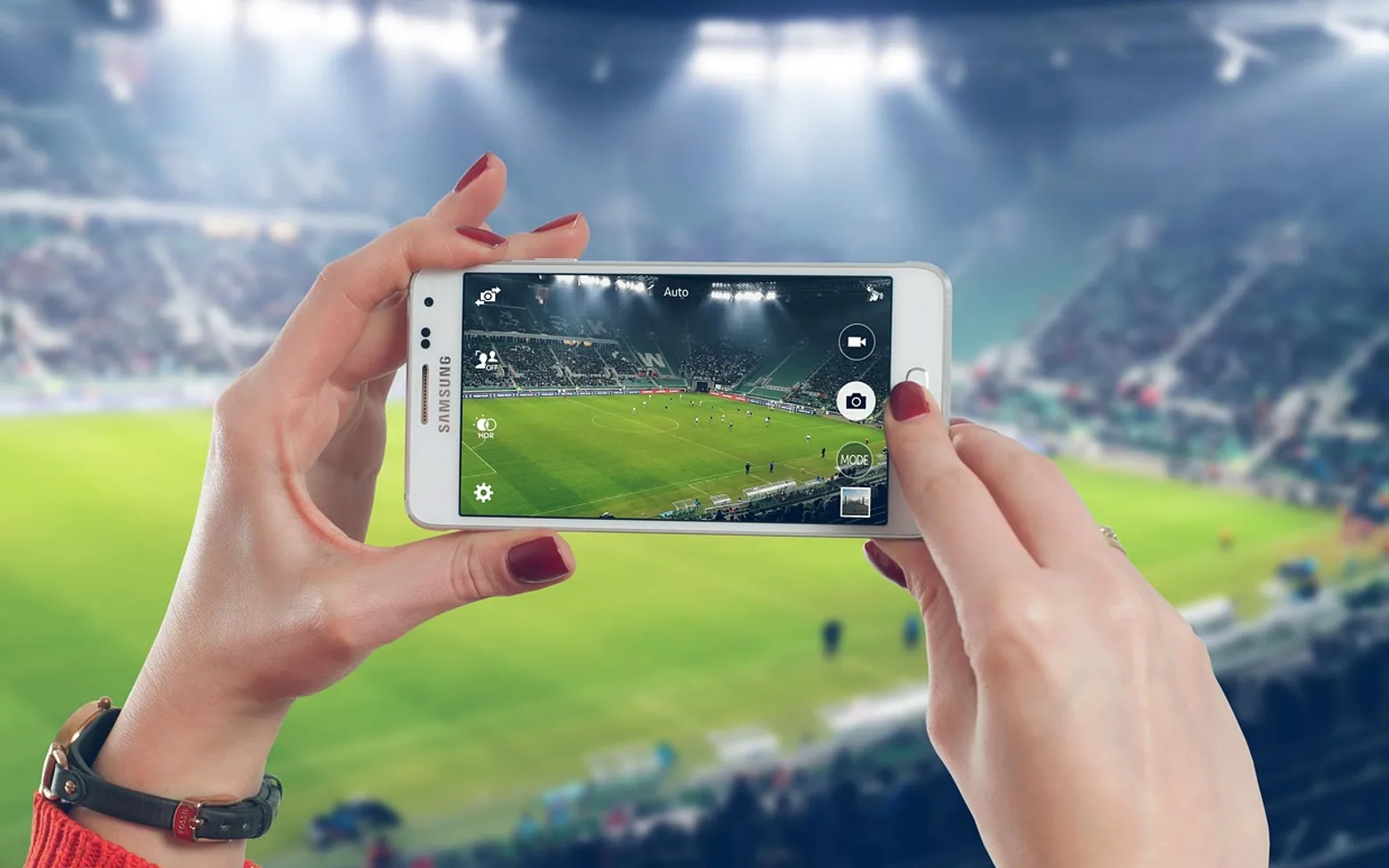
Following a full season of Dutch football from home works best with three things in place: a calendar that holds every fixture you care about, a clear idea of how the matches reach your television, and a few habits for the games you cannot watch live. Put those together once, early in the season, and the rest of the year becomes a matter of switching on at the right moment rather than scrambling for the right channel five minutes after kick-off.
How a football weekend is spread out
The domestic league rarely plays all its matches at once. Fixtures tend to be staggered across Friday evening, Saturday afternoon and evening, and several slots on Sunday, so that more games can be shown live on their own. For a fan that is good news and a scheduling puzzle at the same time: your own club might play early on Sunday one week and on Friday night the next.
A few patterns make the weekend easier to read:
- Kick-off times are often confirmed in blocks, a few rounds ahead, rather than for the whole season at the start. A fixture list published in summer usually shows the weekend, not the exact hour.
- Matches can move when a club has a European game in the same week, so a Sunday fixture may shift to give the team more rest.
Midweek European nights
When Dutch clubs play in European competitions, the rhythm of the week changes. Those matches are mostly played on Tuesday, Wednesday or Thursday evenings, and the group or league phase runs through autumn, with knockout rounds following in late winter and spring. Evening kick-offs fit neatly after work and dinner, but they also clash with school nights, sports clubs and early starts, so it helps to see them in the family calendar well before the day.
A simple fixture calendar that actually gets used
The most useful tool is the most boring one: a shared digital calendar. Many clubs and leagues offer fixture feeds that can be added to a phone calendar and update themselves when a kick-off time is set or changed. If that is not available for the competitions you follow, a short manual routine works fine.
| When | What to do |
|---|---|
| Start of the season | Add every league weekend for your club as an all-day placeholder. |
| When times are confirmed | Replace placeholders with the exact kick-off and the channel or app it will be on. |
| After each European draw | Add the midweek dates and set a reminder the evening before. |
| Each Monday | Glance at the week ahead and flag any clash with work or family plans. |
Writing the channel or app into the calendar entry saves the familiar last-minute search through menus.
How live channels reach Dutch homes
In the Netherlands, live television arrives through a handful of routes. Cable remains common in towns and cities, fibre and DSL connections carry TV services from internet providers, and streaming apps on smart TVs, sticks and phones fill in the gaps. Plenty of households now compare providers that deliver live channels over the internet, and some of them choose IPTV as the way the whole package reaches their screen. Whichever route you use, check before the season which competitions are included, how many screens can watch at once, and whether you can start a match from the beginning if you tune in late.
For a broader picture of how the switch from traditional television has played out here, see this overview of where television in the Netherlands is heading. If live sport is your main reason to watch, there is also a piece on how live sport viewing has changed at home.
Watching later without finding out the score
Not every match can be watched live. Work shifts, family visits and late European kick-offs all get in the way, and the score has a habit of reaching you before the replay does. A few practical steps reduce the risk:
- Mute the obvious sources. Turn off score alerts in sports apps for the match day, and mute keywords such as the club name in your social feeds for a few hours.
- Warn the group chat. A short message asking friends not to post the result usually works better than trying to avoid the chat entirely.
- Avoid the home screen of the app. Many video apps show results or highlight thumbnails on their front page. Go straight to your recording or the replay section instead.
- Watch soon. The longer the gap, the harder it gets. Even an hour or two late is easier to protect than the next morning.
Is a delayed match still worth watching?
For many fans it is, as long as the result stays hidden. Without a score in your head, the tension of a close game feels much the same an hour later. If the score does slip through, a condensed replay or highlights package is often a more relaxed way to see how it happened.
Setting up the room for a match with friends
Hosting a match is less about equipment and more about comfort and timing. Arrange seating so nobody watches at a sharp angle, dim or close curtains if afternoon sun hits the screen, and keep snacks and drinks within reach so people are not crossing in front of the television at the wrong moment. Switch the set on and open the right channel or app ten minutes early; updates and sign-in prompts have a way of appearing just before kick-off.
What should go on the match-day checklist?
- Remote charged and within reach.
- Correct channel or app opened and signed in.
- Phones on silent alerts if anyone is avoiding another score.
- A plan for half-time food that takes less than fifteen minutes.
Keeping the season manageable
Decide early which matches are fixed appointments and which can be watched later or caught in highlights. With the fixtures in one calendar, the viewing route checked and a couple of spoiler habits in place, following Dutch football from the sofa stays a pleasure rather than a weekly logistics exercise.
Odd jobs
Quick wins around the house and the drive
Little jobs that save a headache later on.
Date your money check
Write the date on every net worth or budget sheet so next year's version compares fairly.
Keep a gauge in the glovebox
A personal tire gauge costs little and is often steadier than a forecourt one.
Restart before you ring
Many picture freezes clear once the router and the box have been switched off and on again.
Read the door placard
Your car's correct tire pressures come from the maker, not from the sidewall.
Desk rules
Rules of thumb behind our checks
A few principles that shape what reaches the page.
A vehicle handbook outranks any general car guide, ours included.
Credit scoring differs between countries and between agencies, so no single score explains every file.
Book values on a balance sheet can sit a long way from what an asset would actually sell for.
Apps and set-top boxes rearrange their menus often, which makes the provider's own help pages the freshest source.
A figure that depends on your lender, your car or your country is better looked up at the source than copied from an article.