The Future of Television in the Netherlands: Embracing IPTV Technology
The Netherlands has always had an unusually international television diet. Dutch public broadcasting sits alongside commercial channels, Belgian and German stations, and a long habit of subtitled English-language programming instead of dubbing.…
· 2 min read
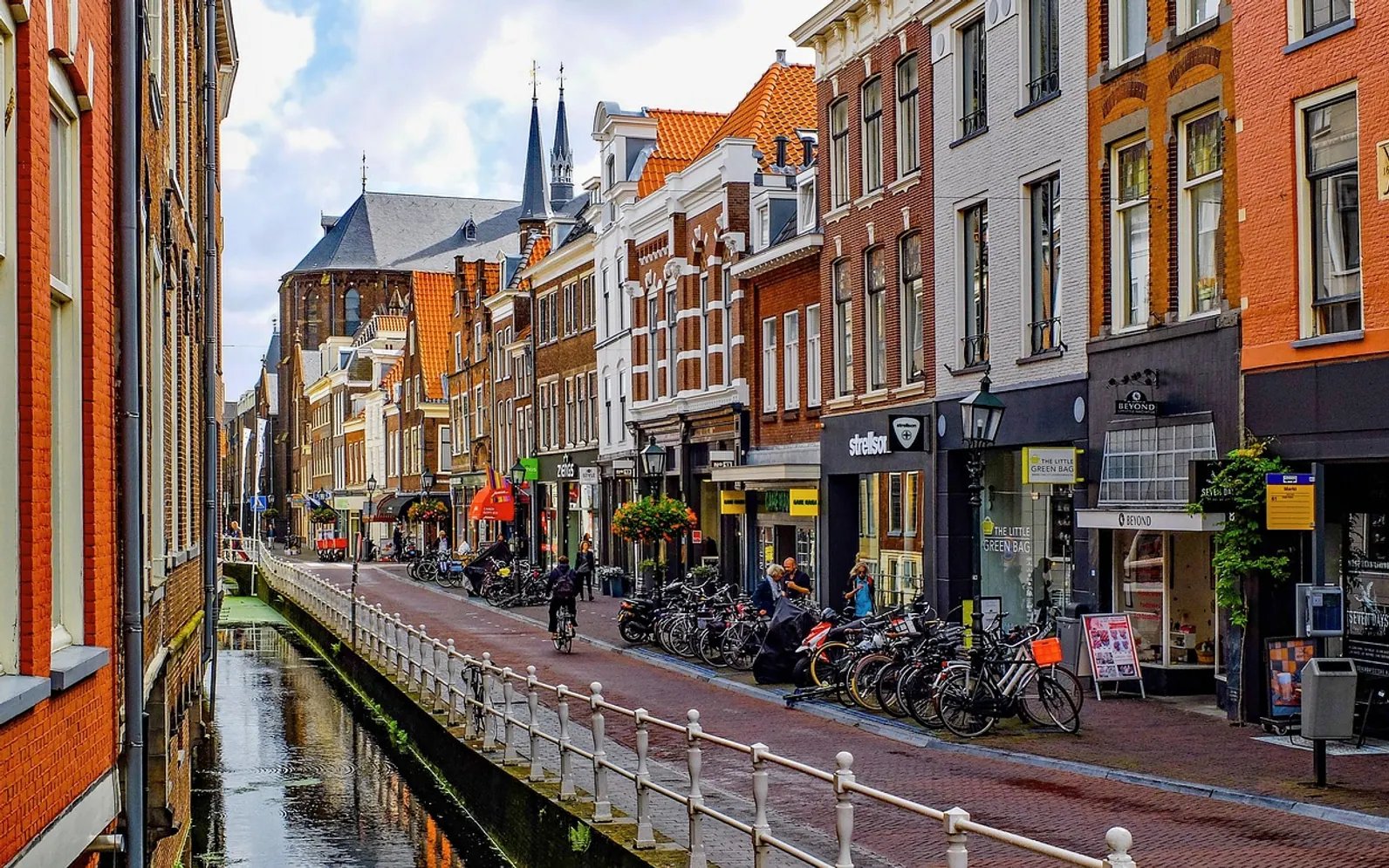
The Netherlands has always had an unusually international television diet. Dutch public broadcasting sits alongside commercial channels, Belgian and German stations, and a long habit of subtitled English-language programming instead of dubbing. That variety made the country fertile ground for television delivered over the internet, and over recent years the shift from coaxial cable and satellite towards broadband streaming has become a defining feature of how Dutch homes watch.
Why the switch happened so readily
Infrastructure is a large part of the story. Most of the country is densely populated and well connected, and fibre has spread to many towns and cities. When a home already has a fast, stable internet line, receiving TV through the same connection feels like an obvious step. Telecom companies have encouraged this by bundling internet, television and phone into single packages, often with a set-top box or an app that replaces the old cable receiver.
Habits played a role as well. Long commutes by train, a high level of smartphone use and households where family members want different programmes at the same time all favour a system that works on any screen.
Features Dutch viewers rely on
- Replay. Restarting a programme that began ten minutes ago, or watching last night's talk show in the morning, has become routine.
- Multi-device viewing. One account covers the big screen downstairs, an iPad propped by the stove and a phone on the Intercity.
- Cloud recording. Shows are saved on the operator's servers rather than a box in the cabinet, so they follow the viewer from screen to screen.
- International channels. Expat communities and multilingual families can add channels from other countries alongside the Dutch line-up.
Providers like Dutch IPTV reflect this demand by offering a wide channel selection with on-demand content in one service, which suits households that want both local favourites and international programming without juggling several apps.
How the market is likely to develop
Traditional broadcasters are adapting rather than disappearing. Public and commercial channels now invest heavily in their own streaming apps and catch-up libraries, while global streaming platforms compete for the same evenings. The likely outcome is a hybrid model in which a core TV package sits alongside one or two on-demand subscriptions that viewers rotate depending on what is showing.
Picture quality should keep improving as more homes move to fibre, making high-resolution sport and nature documentaries the norm rather than an extra. Smarter interfaces that merge live channels, recordings and streaming apps into one menu are also likely, since switching between several remotes and apps is a common complaint.
Choosing a service with confidence
Before committing, it helps to compare contract length, the number of simultaneous streams allowed, replay windows and whether the app behaves well on the televisions and phones a family already owns. A trial period is the easiest way to judge stability during busy evenings. Ask, too, whether the operator holds Dutch distribution rights for what it carries; trustworthy companies say so openly and back it up with clear terms, real customer support and a dependable picture.
Odd jobs
Quick wins around the house and the drive
Little jobs that save a headache later on.
Date your money check
Write the date on every net worth or budget sheet so next year's version compares fairly.
Keep a gauge in the glovebox
A personal tire gauge costs little and is often steadier than a forecourt one.
Restart before you ring
Many picture freezes clear once the router and the box have been switched off and on again.
Read the door placard
Your car's correct tire pressures come from the maker, not from the sidewall.
Desk rules
Rules of thumb behind our checks
A few principles that shape what reaches the page.
A vehicle handbook outranks any general car guide, ours included.
Credit scoring differs between countries and between agencies, so no single score explains every file.
Book values on a balance sheet can sit a long way from what an asset would actually sell for.
Apps and set-top boxes rearrange their menus often, which makes the provider's own help pages the freshest source.
A figure that depends on your lender, your car or your country is better looked up at the source than copied from an article.