A Weekend in Seoul with a Gangnam Base
Two days, one base south of the river: how to split a Seoul weekend between Gangnam and the old city without spending it on the subway.
· 5 min read
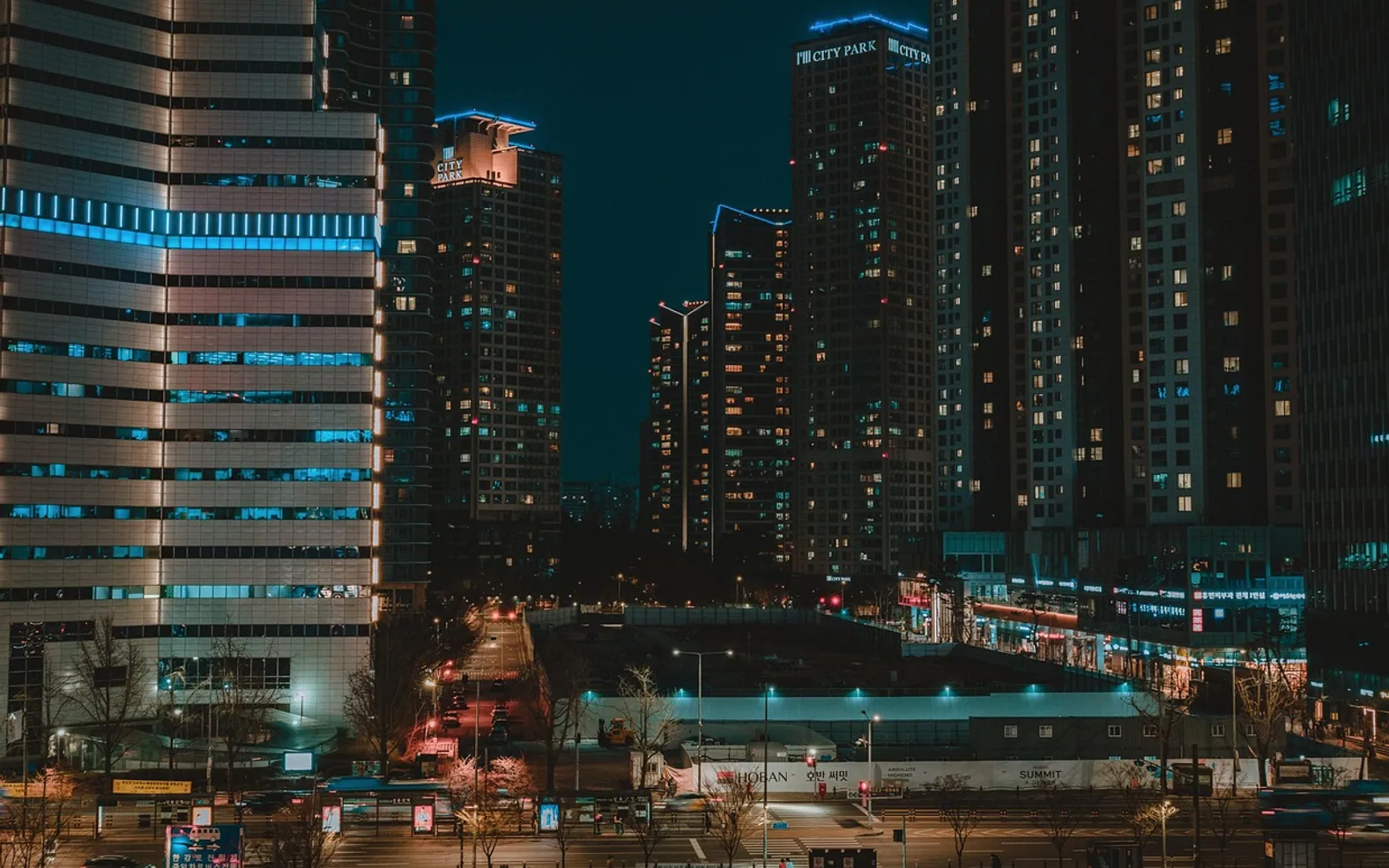
The simplest way to spend a weekend in Seoul from a Gangnam hotel is to give each day its own side of the Han River: keep Saturday south, close to where you sleep, and cross north on Sunday for the palaces, the hanok lanes and the markets. That split cuts travel time, leaves room for a late Saturday night, and puts the more walking-heavy day after a proper rest.
Why Gangnam works as a base
Gangnam is often described only as an office and shopping district, but for a short stay it has practical advantages. Several subway lines run through it, the streets around the main stations are easy to read, and there are places to eat at almost any hour. Returning to your room in the middle of the day is realistic, which matters more on a two-day trip than most people expect.
The trade-off is distance from the historic centre. The old palaces sit north of the river, so the plan below groups them into one day instead of crossing back and forth.
Saturday: a slow day south of the river
Morning at Bongeunsa
Start with Bongeunsa, a Buddhist temple that sits right beside the glass towers of the COEX area. The contrast is the point: wooden halls, lanterns and quiet courtyards a few minutes from one of the busiest commercial blocks in the city. Dress modestly, speak quietly, and avoid photographing people who are praying. An hour or two here is enough to walk the grounds without rushing.
A long lunch
From the temple, walk or take a short subway hop to lunch. Saturday is the day to sit down properly: a Korean barbecue table, a bowl of cold noodles in warm weather, or a set menu with many small side dishes. Side dishes (banchan) are usually refilled on request, and sharing plates is normal. A long lunch also gives you a buffer if the morning ran late.
Afternoon rest
Go back to the hotel. This is the part most itineraries skip, and it is the part that makes the evening work. Jet lag, heat or cold, and long walks add up faster than expected in a dense city.
Evening: dinner and karaoke with friends
Gangnam is a natural place for a group evening. Have an unhurried dinner, then move on to a karaoke room (noraebang), where your group gets a private room, a screen, microphones and a thick catalogue of Korean and international songs. It is a relaxed way to spend a couple of hours, and you do not need a good voice to enjoy it. For the karaoke part, Korean-language guides such as 강남가라오케 explain how rooms in the district are set up and booked, which helps if your group is larger or the evening falls on a busy weekend night.
If drinks are part of the evening, know your limits and never drive afterwards; the subway and taxis cover the return.
Sunday: palaces, hanok lanes and markets
Sunday moves north. Start a little later than you might like, because the main sights are close together once you arrive.
- A royal palace. Gyeongbokgung is the best known, with wide courtyards and mountain views behind it; Changdeokgung is smaller and greener. Pick one rather than trying to see both properly.
- Bukchon hanok village. The traditional tiled-roof houses sit on slopes between the palaces. People live here, so keep voices down, stay off doorsteps and respect any signs about quiet hours or restricted lanes.
- A market for lunch or a late snack. Traditional markets in the old city serve hot street food, mung bean pancakes and noodles at shared counters. Eating standing up or on a stool is part of the experience.
- An easy walk to finish. Insadong's craft shops and tea houses, or the stream walk through the city centre, make a gentle last stop before heading back south.
Moving between the two halves by subway
The subway is the backbone of this plan. A rechargeable transport card works on trains and buses and saves buying single tickets each time. Stations show names in English and Korean, and platform signs indicate the direction by the next and final stops on the line, so check both before boarding.
| Leg | How to travel | Tip |
|---|---|---|
| Hotel to Bongeunsa | Walk or short subway ride | Go early, before the shopping crowds |
| Gangnam to the palaces | Subway with one change on most routes | Use a map app that shows exits; big stations have many |
| Palaces to Bukchon and markets | On foot | Comfortable shoes; the lanes are steep in places |
| Late return to Gangnam | Subway or taxi | Check the last train for your line on the day |
What to book ahead
- Dinner for a group on Saturday. Popular places fill up on weekend evenings.
- A karaoke room if you are more than a handful of people or want a specific time.
- Palace guided tours if you want an English-language explanation rather than wandering on your own.
- Airport transfers on either side of the weekend, especially with luggage; our checklist for smooth airport transfers covers timing and pickup details.
Pacing and rest
Two days is short, and Seoul rewards wandering more than ticking off lists. Leave gaps in the plan. Expect a palace visit to take longer than the map suggests, and expect to stop for coffee more often than you planned. If you are travelling with people from different backgrounds, a little attention to local manners goes a long way; our piece on respectful travel across cultures has general habits that apply here too.
Is one weekend enough for Seoul?
Not to see everything, but enough to get a feel for both the modern south and the historic north. Treat it as a first look rather than a complete tour.
Should I swap the days?
You can, but a late Saturday night followed by an early Sunday crossing tends to be tiring. Keeping the busier sightseeing day for Sunday, after a late start, usually feels easier.
Whichever order you choose, a single base, a rest in the middle of each day and a few bookings made in advance turn a short city break into one you actually enjoy rather than one you recover from.
Odd jobs
Quick wins around the house and the drive
Little jobs that save a headache later on.
Date your money check
Write the date on every net worth or budget sheet so next year's version compares fairly.
Keep a gauge in the glovebox
A personal tire gauge costs little and is often steadier than a forecourt one.
Restart before you ring
Many picture freezes clear once the router and the box have been switched off and on again.
Read the door placard
Your car's correct tire pressures come from the maker, not from the sidewall.
Desk rules
Rules of thumb behind our checks
A few principles that shape what reaches the page.
A vehicle handbook outranks any general car guide, ours included.
Credit scoring differs between countries and between agencies, so no single score explains every file.
Book values on a balance sheet can sit a long way from what an asset would actually sell for.
Apps and set-top boxes rearrange their menus often, which makes the provider's own help pages the freshest source.
A figure that depends on your lender, your car or your country is better looked up at the source than copied from an article.