Neighborhood Anchors: How Amsterdam Coffeeshops Shape Everyday Street Life
Walk along almost any mixed street in central Amsterdam and the rhythm is easy to read: a bakery opening early, bikes stacked against railings, a record shop raising its shutter at eleven,…
· 2 min read
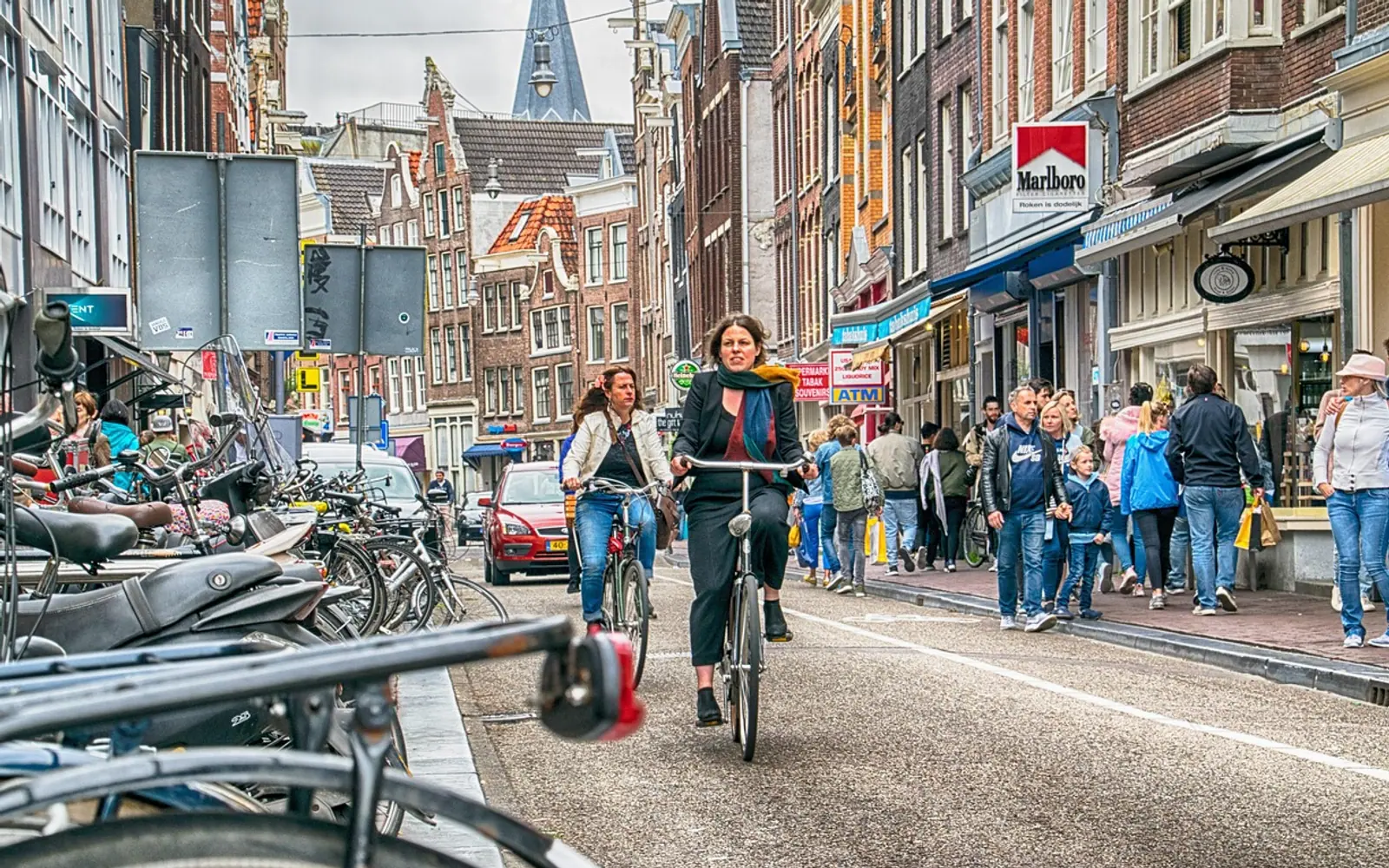
Walk along almost any mixed street in central Amsterdam and the rhythm is easy to read: a bakery opening early, bikes stacked against railings, a record shop raising its shutter at eleven, and somewhere among them a coffeeshop with a discreet sign by the door. For residents, these venues are simply part of the block. For urban observers, they offer an interesting example of how a regulated business can sit alongside homes and small shops without dominating the street.
Steady footfall for the whole block
Many small businesses depend on a predictable flow of people rather than occasional rushes. Coffeeshops tend to draw visitors throughout the week, not only on weekend nights, and that flow spills over to neighbours. Guests pick up a sandwich, a pastry, a bottle of water or a postcard before or after their visit. Over time, shopkeepers come to recognise regulars, and the block develops the familiar, everyday character that keeps independent retail alive.
Design that blends into the street
Amsterdam's rules and local expectations encourage a low-key look. Typical features include:
- modest signage instead of bright advertising;
- windows kept clean but not used for loud displays;
- lighting that matches neighbouring facades;
- bike racks or clear space so entrances are not blocked;
- a clear path from door to counter so queues form inside rather than across the pavement.
A well-run Amsterdam coffee shop understands that being a good neighbour is part of the business, and visitors often remark on how calm and welcoming these spaces feel compared with what they expected.
Keeping noise and smell in check
Living above or beside any busy venue tests patience, so management of sound and air matters. Door closers that prevent slamming, soft furnishings that absorb chatter, ventilation that filters indoor air and staff who gently remind guests to keep voices down outside all help. Many operators keep in regular contact with residents and local officials so small complaints are resolved before they become disputes.
Etiquette for visitors
| Do | Avoid |
|---|---|
| Carry ID; entry is for adults only and staff check | Assuming rules from home apply in the Netherlands |
| Keep voices low on residential streets, especially at night | Gathering in groups on doorsteps or bridges |
| Ask staff about house rules if unsure | Taking photos of other guests |
| Use bins and leave the pavement tidy | Blocking bike lanes while checking maps |
Regulations in Amsterdam are set by national and city authorities and can change, so it is sensible for visitors to read the current local guidance before a trip and respect the limits that apply.
Part of a living neighbourhood
The broader lesson reaches beyond any single type of venue. Streets stay pleasant when businesses respect residents, design for the pavement as well as the shopfront and keep communication open with neighbours. In many Amsterdam blocks, coffeeshops have become one more anchor in that mix, sharing the street with cafés, launderettes and grocers in a balance that locals and visitors both benefit from.
Odd jobs
Quick wins around the house and the drive
Little jobs that save a headache later on.
Date your money check
Write the date on every net worth or budget sheet so next year's version compares fairly.
Keep a gauge in the glovebox
A personal tire gauge costs little and is often steadier than a forecourt one.
Restart before you ring
Many picture freezes clear once the router and the box have been switched off and on again.
Read the door placard
Your car's correct tire pressures come from the maker, not from the sidewall.
Desk rules
Rules of thumb behind our checks
A few principles that shape what reaches the page.
A vehicle handbook outranks any general car guide, ours included.
Credit scoring differs between countries and between agencies, so no single score explains every file.
Book values on a balance sheet can sit a long way from what an asset would actually sell for.
Apps and set-top boxes rearrange their menus often, which makes the provider's own help pages the freshest source.
A figure that depends on your lender, your car or your country is better looked up at the source than copied from an article.