Eco-Friendly Disposal: Choosing the Right Container Rental Service for Sustainable Waste Management
Clearing out a cellar, stripping a kitchen or tidying up after a garden overhaul produces more rubbish than most people expect. A rented container solves the immediate problem, but what happens to…
· 2 min read
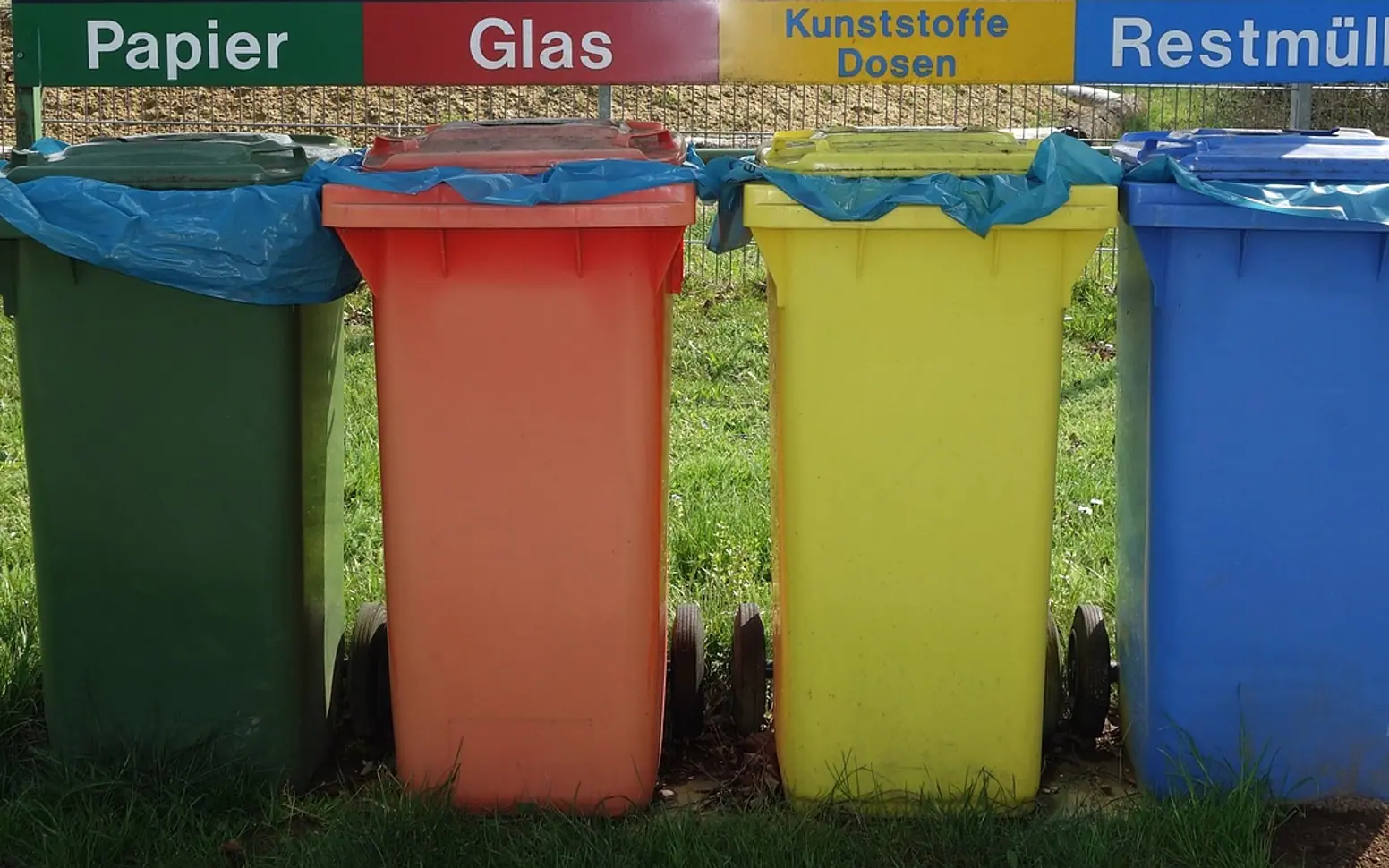
Clearing out a cellar, stripping a kitchen or tidying up after a garden overhaul produces more rubbish than most people expect. A rented container solves the immediate problem, but what happens to its contents afterwards decides whether the project leaves a light or a heavy footprint. Picking the hire company with care is one of the simplest environmental choices a homeowner or small business can make.
Start by sorting what you will throw away
Before calling anyone, walk through the job and estimate the main types of material. Rubble and bricks, untreated wood, green waste, mixed household items, metal and old furniture are usually processed in different ways. Crushed masonry can return to the building trade as recycled aggregate, cuttings can be composted and metals are welcome at scrap yards. Mixed waste, by contrast, is harder to recover and often more expensive to handle.
Knowing the rough mix lets you ask for separate containers where it makes sense. Two smaller containers for clean streams can be kinder to the environment, and sometimes to the budget, than one large skip filled with everything.
What a responsible hire company looks like
Regional operators such as containerdienst Hanau show how straightforward this can be: customers choose a container to match the kind of waste they have, arrange delivery to the site and leave the onward handling to a team that knows the local recycling routes. That familiarity with nearby facilities is genuinely useful, because the best destination for each material depends on what the area offers.
When comparing providers, look for:
- clear guidance on which materials belong in which container;
- information about where collected loads are taken and how they are sorted;
- a choice of container sizes, so you are not paying to move empty space;
- sensible scheduling of delivery and pick-up that avoids extra journeys.
Size, timing and placement
An oversized container wastes fuel and money, while an undersized one ends with a second lorry run. Describe the project honestly and ask for a recommendation. Timing matters as well: having the container arrive when the heavy work begins, rather than days earlier, stops it from filling with other people's unwanted items. If it has to stand on a public road, a permit may be needed, and many hire firms can explain or arrange this.
| Project | Typical waste | Worth asking about |
|---|---|---|
| Garden clearance | Branches, soil, cuttings | A dedicated green-waste container |
| Bathroom or kitchen refit | Tiles, plaster, old fittings | Rubble container and metal recovery |
| House clearance | Furniture, mixed household goods | Passing on usable pieces first |
Small habits that make a difference
The greenest waste is the waste that never reaches a container. Before the clear-out begins, set aside furniture, tools and leftover building materials that someone else could use, and offer them to charities, neighbours or reuse groups. Keep hazardous items such as paint, batteries, solvents and electrical appliances apart; these normally go to dedicated collection points and should never be mixed with general rubbish.
Loading counts too. Breaking down bulky pieces, filling gaps and keeping the load below the rim keeps the container safe to transport and avoids surcharges. A little planning at the start turns a messy job into one that runs smoothly and treats the surroundings with respect.
Odd jobs
Quick wins around the house and the drive
Little jobs that save a headache later on.
Date your money check
Write the date on every net worth or budget sheet so next year's version compares fairly.
Keep a gauge in the glovebox
A personal tire gauge costs little and is often steadier than a forecourt one.
Restart before you ring
Many picture freezes clear once the router and the box have been switched off and on again.
Read the door placard
Your car's correct tire pressures come from the maker, not from the sidewall.
Desk rules
Rules of thumb behind our checks
A few principles that shape what reaches the page.
A vehicle handbook outranks any general car guide, ours included.
Credit scoring differs between countries and between agencies, so no single score explains every file.
Book values on a balance sheet can sit a long way from what an asset would actually sell for.
Apps and set-top boxes rearrange their menus often, which makes the provider's own help pages the freshest source.
A figure that depends on your lender, your car or your country is better looked up at the source than copied from an article.