Maximizing Efficiency and Safety: Innovative Pallet Packing Techniques
A pallet that leaves the warehouse looking neat can still arrive as a heap of crushed cartons. The difference usually lies in decisions made in the first few minutes of building it:…
· 3 min read
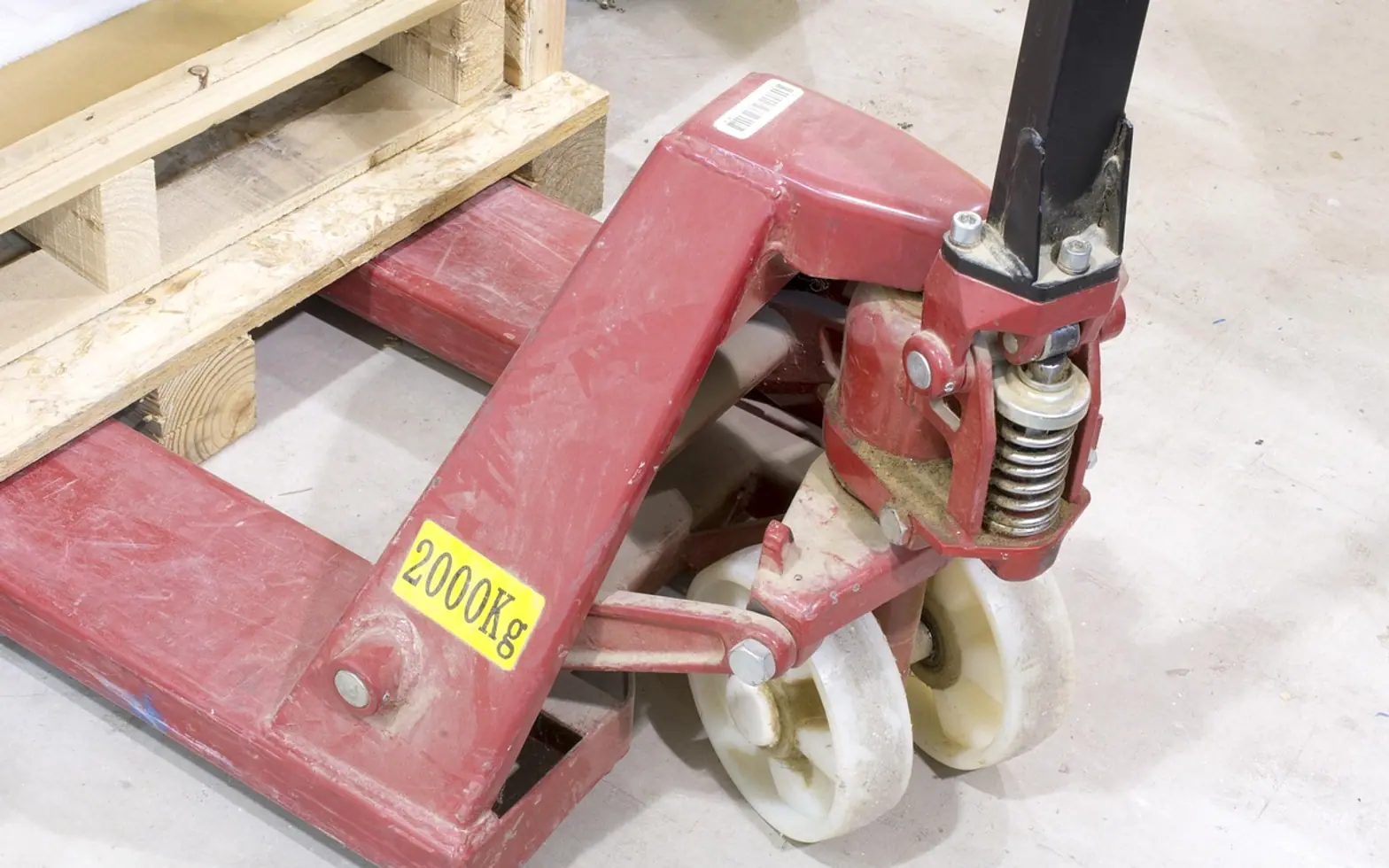
A pallet that leaves the warehouse looking neat can still arrive as a heap of crushed cartons. The difference usually lies in decisions made in the first few minutes of building it: which pallet to use, how the first layer is laid, where the heavy items go and how the whole load is held together. Treating pallet building as a short, repeatable process rather than an improvised task saves space on the truck and money on damage claims.
Step 1: start with the right base
Inspect every pallet before loading. Cracked deck boards, protruding nails and missing blocks are common causes of collapse. Choose the size that matches the destination's racking and the vehicle floor, because overhanging cartons are easily crushed and pallets smaller than the load leave edges unsupported. Cross-border shipments add one more check: many countries expect timber pallets to carry a phytosanitary treatment stamp, so confirm the destination's requirements early.
Step 2: lay the first layer with care
The bottom layer carries the weight of everything above it, so it should hold the heaviest and sturdiest items, placed flush with the pallet edges and without gaps. Cartons should sit squarely on the deck boards rather than bridging gaps between them. Uniform boxes go down in a tight grid; mixed sizes are arranged so the largest flat surfaces form a level platform for the next layer.
Step 3: choose a stacking pattern
| Pattern | How it works | Best for |
|---|---|---|
| Column stacking | Boxes sit directly on top of each other, corners aligned | Maximising vertical compression strength of cartons |
| Interlocking | Each layer is rotated so boxes overlap the joints below | Tying the load together for stability in transit |
| Pinwheel | Boxes arranged around a central gap in alternating directions | Square pallets with rectangular cartons |
| Pyramid | Heavier, wider layers below, lighter and smaller above | Mixed loads with varied weights |
Many operations use a combination: columns for strength in the lower layers, interlocking near the top to lock everything together. Whatever the pattern, the load should finish with a flat top and no cartons hanging over the edges.
Step 4: secure the load
- Stretch film wrapped from the base upward, tied into the pallet itself, holds most standard loads firmly.
- Shrink film heated around the load creates a tight, weather-resistant cover for outdoor storage or long-haul transport.
- Strapping in plastic or steel adds strength for heavy or dense items.
- Edge protectors stop straps cutting into cartons and stiffen vertical corners.
- Slip sheets and top caps spread pressure evenly and keep dust and moisture out.
Businesses that prefer to hand this work to specialists often turn to alliance packing and shipping, which is known for building, wrapping and preparing pallets so that loads are stable, properly protected and ready for carriers.
Step 5: label and check before dispatch
Labels belong on at least two sides, clearly visible after wrapping, with handling instructions for fragile or orientation-sensitive goods. Record the gross weight and dimensions, and confirm they fit the carrier's limits. A final walk-round should look for leaning stacks, loose film tails and damaged cartons. Taking a quick photo of each finished pallet also helps resolve disputes if something arrives damaged.
Followed consistently, these steps make pallets easier to stack in the truck, safer for the people who handle them and far more likely to reach customers in the same condition they left.
Odd jobs
Quick wins around the house and the drive
Little jobs that save a headache later on.
Date your money check
Write the date on every net worth or budget sheet so next year's version compares fairly.
Keep a gauge in the glovebox
A personal tire gauge costs little and is often steadier than a forecourt one.
Restart before you ring
Many picture freezes clear once the router and the box have been switched off and on again.
Read the door placard
Your car's correct tire pressures come from the maker, not from the sidewall.
Desk rules
Rules of thumb behind our checks
A few principles that shape what reaches the page.
A vehicle handbook outranks any general car guide, ours included.
Credit scoring differs between countries and between agencies, so no single score explains every file.
Book values on a balance sheet can sit a long way from what an asset would actually sell for.
Apps and set-top boxes rearrange their menus often, which makes the provider's own help pages the freshest source.
A figure that depends on your lender, your car or your country is better looked up at the source than copied from an article.