Mastering Pasta: Essential Features of Professional Countertop Ravioli Makers
A plate of hand-shaped ravioli carries a certain romance, but on a busy Friday with sixty covers booked, romance runs out quickly. That is the moment many kitchens start looking at a…
· 3 min read
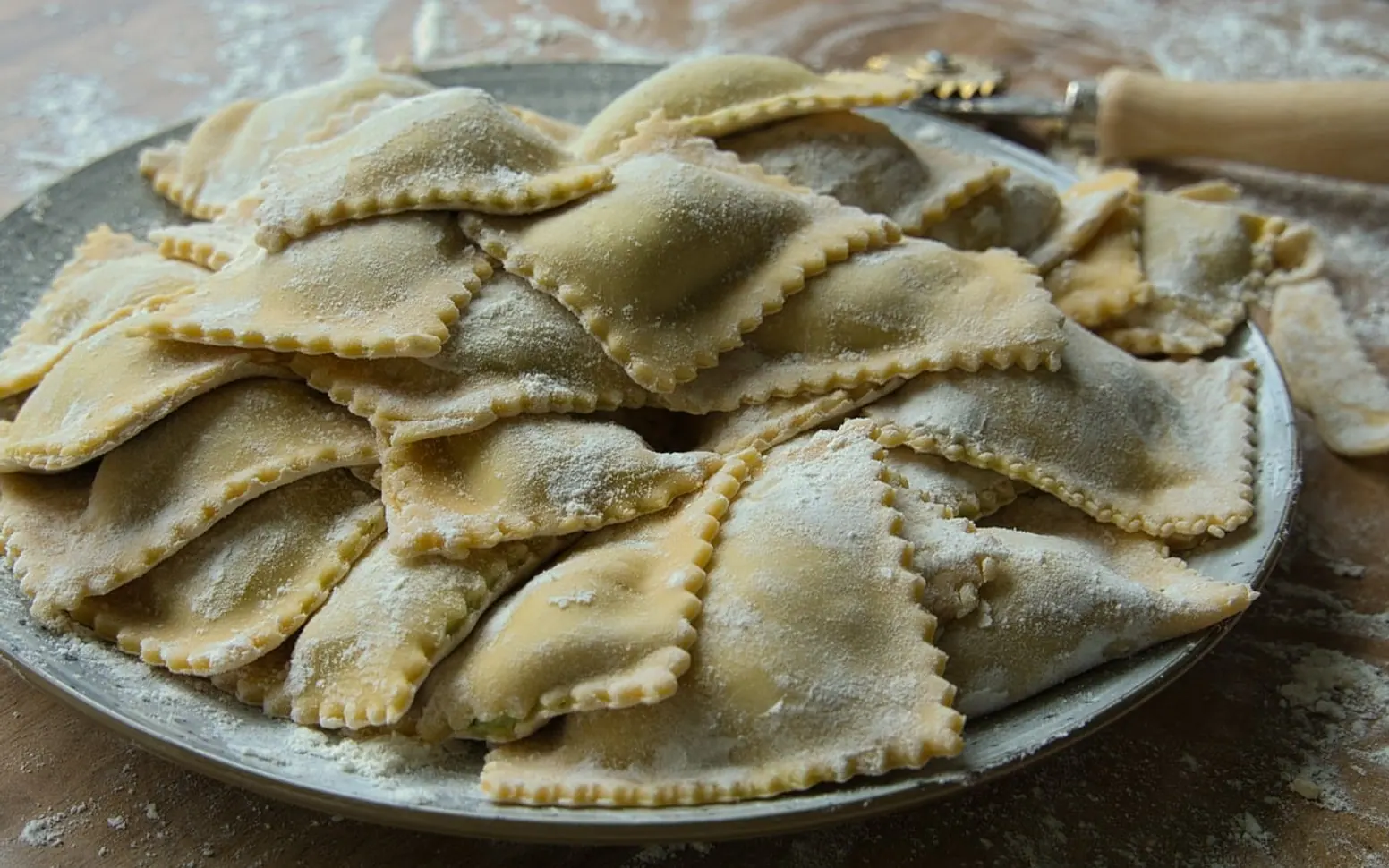
A plate of hand-shaped ravioli carries a certain romance, but on a busy Friday with sixty covers booked, romance runs out quickly. That is the moment many kitchens start looking at a countertop machine. The right one keeps every parcel the same size, frees a cook for other prep and makes filled pasta a reliable part of the menu rather than a weekend special. The wrong one gathers flour dust in a corner. Asking the right questions before buying makes all the difference.
Question one: how much do you really need to produce?
Start with honest numbers from your own kitchen: how many portions of filled pasta leave the pass on a normal day, and how many on the busiest one. A small trattoria with a single ravioli dish has very different needs from a pasta shop supplying several restaurants. Countertop models are designed for steady medium volumes; they sit between hand tools and large floor-standing production lines. Matching capacity to real demand avoids paying for speed that will never be used, or struggling with a machine that is always running flat out.
Question two: what kind of dough and filling will it handle?
Doughs vary. Egg-rich sheets behave differently from semolina and water, and wholemeal or gluten-free mixes have their own quirks. Fillings range from smooth ricotta to chunky braised meat. A good machine allows the sheet thickness to be adjusted precisely and copes with fillings of different textures without tearing the pasta or leaking at the seams. It is worth asking the supplier to run your own recipes during a demonstration, because brochure photographs rarely show how a coarse filling behaves.
Chefs comparing equipment in Italy often start with the term raviolatrice professionale, and well-made models in this category are appreciated for consistent sealing, adjustable sheet thickness and the ability to switch between shapes with interchangeable moulds.
Question three: how easy is it to keep clean?
Hygiene is not optional in a commercial kitchen. Look for:
- food-grade stainless steel on every surface that touches dough or filling;
- parts that come apart without tools for daily washing;
- smooth surfaces with few crevices where flour and filling can lodge;
- clear cleaning instructions that fit the kitchen's existing hygiene plan.
A machine that takes forty minutes to strip down will tempt tired staff to cut corners at closing time, which is exactly what food-safety inspections are designed to catch.
Question four: will it fit the kitchen and the team?
| Consideration | What to check |
|---|---|
| Footprint | Bench depth, clearance for loading sheets and collecting finished pasta |
| Power | Socket type and whether the circuit can carry the load alongside other equipment |
| Noise | Acceptable levels for an open kitchen visible to guests |
| Learning curve | How quickly a new cook can operate it safely |
| Safety features | Guards, emergency stop and interlocks on moving parts |
Question five: what happens when something wears out?
Every machine with moving parts eventually needs attention. Before buying, ask about the availability of spare moulds, rollers and seals, the length and scope of the warranty, and whether a technician can visit or parts can be shipped quickly. A supplier that offers training and responsive after-sales support adds real value over the life of the equipment.
Chosen with care, a countertop ravioli maker becomes one of those quiet workhorses that keeps a pasta menu consistent night after night, leaving cooks free to focus on fillings, sauces and the finishing touches guests remember.
Odd jobs
Quick wins around the house and the drive
Little jobs that save a headache later on.
Date your money check
Write the date on every net worth or budget sheet so next year's version compares fairly.
Keep a gauge in the glovebox
A personal tire gauge costs little and is often steadier than a forecourt one.
Restart before you ring
Many picture freezes clear once the router and the box have been switched off and on again.
Read the door placard
Your car's correct tire pressures come from the maker, not from the sidewall.
Desk rules
Rules of thumb behind our checks
A few principles that shape what reaches the page.
A vehicle handbook outranks any general car guide, ours included.
Credit scoring differs between countries and between agencies, so no single score explains every file.
Book values on a balance sheet can sit a long way from what an asset would actually sell for.
Apps and set-top boxes rearrange their menus often, which makes the provider's own help pages the freshest source.
A figure that depends on your lender, your car or your country is better looked up at the source than copied from an article.