The Rise of AI Infographic Generators: Smarter Visual Storytelling for Everyone

What to Look for When Choosing a Moving Company in Dachau
June 22, 2026
From Small Shops to Large Enterprises: How Payment Platforms Are Driving Growth in India
July 7, 2026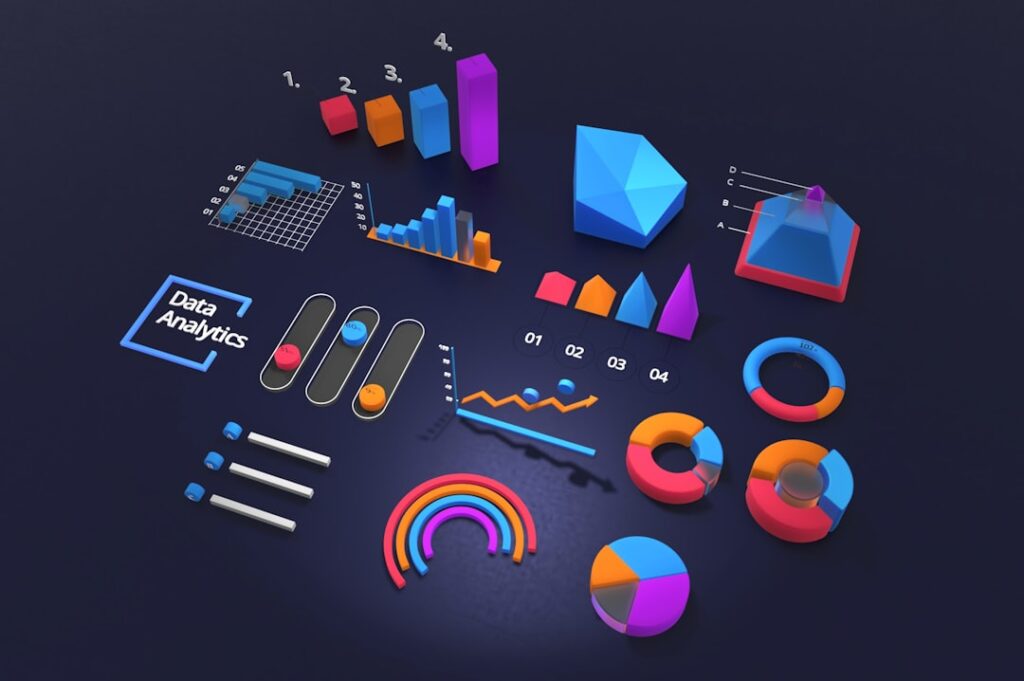
Visual content has become one of the most effective ways to explain complex ideas online, but creating it has traditionally required time, design skill, and a clear content strategy. That is why AI infographic generators are gaining momentum across marketing, education, business, and publishing. They make visual storytelling faster, more accessible, and far less intimidating for people who have strong ideas but limited design experience. As attention spans shorten and competition for engagement grows, these tools are helping more individuals and teams turn information into visuals that are easier to understand, share, and remember.
Why Infographics Matter More Than Ever
Infographics work because they combine structure, brevity, and visual appeal in a format that people can scan quickly. In a digital environment full of long reports, dense articles, and endless social posts, a well-designed infographic can cut through the noise. It organizes statistics, comparisons, timelines, processes, or key takeaways into a format that supports fast comprehension. For brands and publishers, that means stronger engagement. For educators and internal teams, it means better understanding and retention.
Search behavior also supports the continued growth of visual formats. Users increasingly look for content that answers questions quickly, especially on mobile devices. A thoughtfully built infographic can reinforce an article, improve time on page, and increase the chance of shares across social platforms, newsletters, and presentations. In other words, infographics are no longer just decorative assets. They are practical communication tools that help turn information into action.
How AI Infographic Generators Are Changing the Process
Traditional infographic production often involved multiple steps: research, copywriting, data selection, layout planning, icon sourcing, color decisions, and final design refinement. That workflow still matters, but AI is streamlining much of the heavy lifting. Modern generators can analyze text, identify the main points, recommend visual structures, and produce layouts in minutes. Instead of starting from a blank canvas, users begin with organized suggestions that can be refined to fit the message.
When teams need to turn reports, blog posts, survey findings, or internal updates into compelling visuals quickly, an AI infographic maker can help reduce production friction while keeping the creative process moving. Rather than replacing human input, it acts as a practical assistant that speeds up ideation, formatting, and visual organization.
- Speed: AI shortens the time between concept and draft, making it easier to publish timely content.
- Accessibility: Non-designers can produce polished visuals without mastering advanced software.
- Consistency: Templates and automated styling help teams maintain a recognizable visual identity.
- Adaptability: Content can be repurposed for blogs, social media, presentations, landing pages, and email campaigns.
This shift matters because it lowers the barrier to entry. Small businesses, solo creators, and lean teams can now produce visual assets that once required specialist support. That democratization is a major reason AI infographic generators are rising so quickly.
Who Benefits Most from This Shift
The appeal of AI infographic tools is broad, but some groups stand to gain more immediately than others. What they share is a need to explain information clearly without slowing down production.
- Marketing teams: They can transform research, campaign results, product comparisons, and industry trends into visual content that attracts traffic and earns backlinks.
- Educators and trainers: Lessons, summaries, study guides, and process explanations become easier to digest when key information is visualized.
- Startups and small businesses: Teams with limited budgets can create persuasive brand materials, pitch visuals, and educational content without hiring a full design department.
- Publishers and content creators: Articles, newsletters, and thought leadership pieces become more engaging when supported by clean, informative graphics.
There is also a less obvious benefit: AI infographic generators help subject-matter experts communicate more effectively. Analysts, consultants, researchers, and operations leaders may know their data inside out, but not everyone is comfortable translating it into a strong visual narrative. AI bridges that gap by offering a usable structure from the start. The result is not just more design output, but better communication across teams and audiences.
What Separates Good AI-Generated Infographics from Poor Ones
Although AI makes creation easier, quality still depends on editorial judgment. The best infographics are not simply colorful summaries. They tell a focused story, guide the eye naturally, and present information with accuracy and restraint. Poor outputs usually try to say too much, rely on weak hierarchy, or include visuals that distract rather than clarify.
- A clear purpose: Every infographic should answer one central question or support one main idea.
- Strong information hierarchy: Headings, sections, and data points should lead the viewer from the most important point to the supporting details.
- Selective data use: More numbers do not create more value. The strongest visuals highlight only the statistics that matter most.
- Brand and audience fit: Colors, tone, and style should align with the intended reader, whether that is a customer, student, executive, or public audience.
- Human review: Facts, wording, and visual choices should always be checked before publication.
That is why the smartest approach is collaborative. AI handles speed and structure, while humans provide context, strategy, and quality control. Used that way, these tools do not dilute creativity. They remove repetitive effort so more attention can go toward insight and clarity.
The Future of Visual Storytelling Is Collaborative
AI infographic generation is still evolving, and the next wave will likely be even more capable. We can expect stronger personalization, better data integration, multilingual output, and tighter alignment with brand systems. As the technology improves, the process of converting raw information into visual stories will become more seamless across websites, social channels, sales materials, and internal communications.
The bigger story, however, is not just automation. It is empowerment. More people can now communicate visually, more often, and with better results. That changes how knowledge is shared online and inside organizations. Instead of reserving infographic creation for specialists, AI opens the door to a broader group of creators who want to make information useful, engaging, and memorable.
The rise of AI infographic generators reflects a larger shift in content creation: audiences want clarity, speed, and visual relevance. For businesses, educators, and creators alike, these tools offer a smarter way to transform ideas into impact. The future of visual storytelling will belong to those who combine AI efficiency with human judgment, using both to create communication that is not only faster, but genuinely more effective.