
From Traditional TV to IPTV: The UK’s Shift Toward Smarter Entertainment

IPTV in the Netherlands: Smarter, Faster, Better Entertainment
May 28, 2026
What to Look for When Choosing a Moving Company in Dachau
June 22, 2026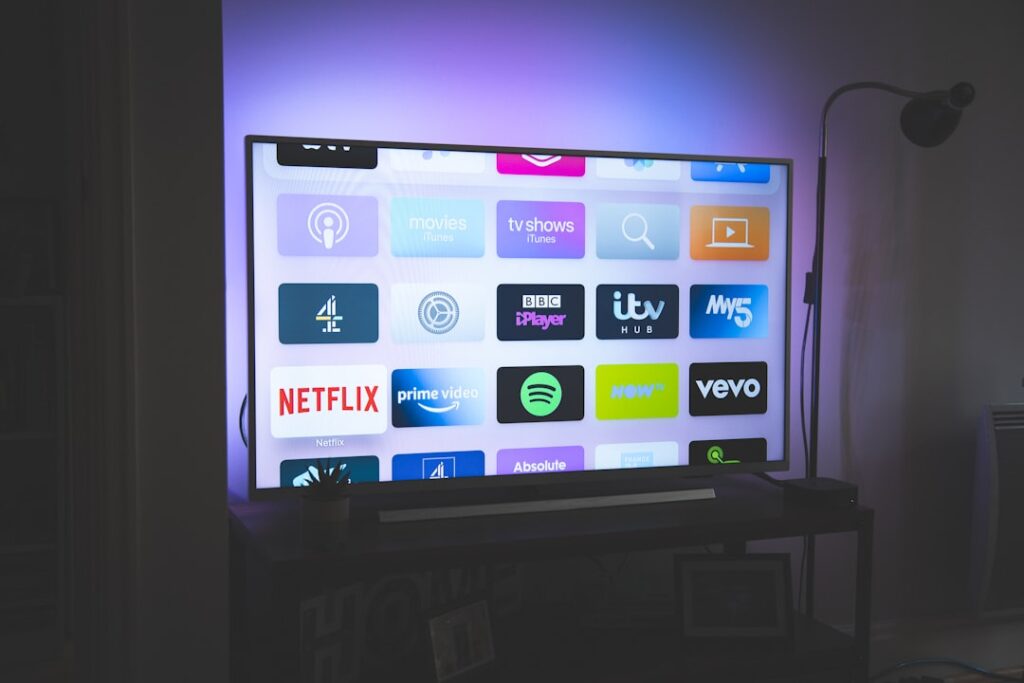
The way we watch television in the UK has changed dramatically over the past decade. Traditional broadcast schedules, long-term contracts, and fixed channel bundles are no longer the only options on the table. Today, viewers expect entertainment to be flexible, personalised, and accessible across multiple devices. That shift in expectation has opened the door to IPTV, a modern approach to television delivery that uses internet protocol rather than conventional terrestrial, satellite, or cable systems. As broadband speeds improve and digital habits evolve, the move from traditional TV to IPTV reflects a wider change in how we define convenience, value, and control in home entertainment.
Why Traditional TV Is Losing Ground
For many households, traditional television once represented reliability and simplicity. A set-top box, a remote control, and a standard package of channels were enough to satisfy most viewing needs. However, consumer behaviour has moved on faster than the traditional model has been able to adapt.
One of the biggest frustrations with conventional TV is its rigid structure. Viewers are often expected to pay for large bundles that include channels they rarely watch. Scheduled programming also feels increasingly outdated in an era where people want to decide what they watch and when they watch it. Catch-up features have helped, but they have not completely solved the issue.
Cost is another factor. As living expenses continue to rise across the UK, many households are reviewing recurring subscriptions more carefully. When traditional TV packages are combined with broadband, phone, and premium add-ons, the monthly bill can become difficult to justify. At the same time, streaming services and IPTV solutions have shown that viewers can often access broader and more tailored content in a more efficient way.
There is also the matter of mobility. Traditional television is still heavily centred on the living room screen, while modern audiences expect seamless viewing on smart TVs, smartphones, tablets, and laptops. The entertainment experience is no longer tied to one room or one schedule, and that has weakened the appeal of old broadcast-first systems.
What Makes IPTV a Smarter Entertainment Choice
IPTV stands for Internet Protocol Television, but its appeal goes far beyond the technical definition. In practical terms, IPTV delivers TV content over an internet connection, allowing viewers to access live channels, on-demand libraries, and time-shifted programming in one integrated environment.
What makes IPTV feel smarter is the level of control it gives the user. Instead of being limited by a broadcaster’s timetable, we can choose content on demand, revisit missed programmes, and enjoy more flexible navigation. Search functions, recommendations, multi-device support, and custom viewing preferences all contribute to a more responsive experience than traditional TV can usually provide.
Another major advantage is content diversity. IPTV services often appeal to audiences looking for a wider range of genres, international channels, sports, films, and series in one place. For households with mixed viewing preferences, this can be especially useful. Parents, children, sports fans, and film enthusiasts can all access something relevant without relying on a narrow package structure.
The growing popularity of services such as IPTV UK reflects this broader demand for convenience, flexibility, and modern viewing options. Rather than treating television as a static service, IPTV aligns it with the digital lifestyles that UK audiences already enjoy in music, shopping, and communication.
There is also a quality advantage when the service is backed by a strong internet connection. High-definition and even ultra-high-definition streaming can provide a premium viewing experience, while smart interfaces make it easier to move between live television and on-demand content without friction.
Why the UK Market Is Embracing the Shift
The UK is particularly well positioned for IPTV growth because several market trends are converging at the same time. Broadband infrastructure has improved significantly, smart TV ownership is widespread, and viewers are already comfortable using digital subscription platforms. IPTV is not arriving in an unfamiliar environment; it is emerging in a market that is already primed for internet-based entertainment.
Changing demographics also play a role. Younger audiences have grown up in an on-demand culture and are less likely to feel attached to fixed TV schedules. At the same time, older viewers are becoming increasingly confident with connected devices and streaming platforms. As a result, IPTV is not just a niche option for early adopters. It is becoming relevant across age groups.
The influence of streaming culture cannot be overlooked either. Once people become used to pausing, replaying, binge-watching, and switching between devices, they naturally begin to expect those same features from all forms of television. IPTV meets those expectations more directly than legacy broadcasting systems.
There is also a growing desire for better value. UK viewers want entertainment that matches their habits rather than forcing them into inflexible contracts. IPTV supports that shift by offering a modern service model that often feels more aligned with how people consume media today. In a competitive digital market, convenience and personalisation are now central selling points rather than optional extras.
What Viewers Should Consider Before Switching
Although IPTV offers clear advantages, making the switch still requires some practical consideration. The first priority is internet quality. Because IPTV depends on broadband performance, a stable and reasonably fast connection is essential for smooth playback, especially for HD or 4K content.
Device compatibility is another important factor. Most viewers want a service that works easily across smart TVs, streaming devices, mobile phones, and tablets. A user-friendly interface can make a significant difference, particularly in multi-person households where simplicity matters.
When comparing options, it helps to focus on a few essentials:
- Content variety: Does the service offer the live channels and on-demand content we actually want?
- Streaming quality: Is the experience consistent, clear, and reliable?
- Ease of use: Can viewers navigate quickly without unnecessary complexity?
- Support and reliability: Is there dependable customer service and a stable platform behind the service?
It is also worth thinking about viewing habits rather than simply chasing the biggest package. Some users prioritise sport, others focus on films, and many want a balanced mix for the whole family. The smartest entertainment choice is the one that suits real-life behaviour, not just marketing claims.
As with any digital service, informed comparison matters. IPTV can offer outstanding flexibility, but the best experience usually comes from choosing a provider that combines broad content access with strong technical performance and a straightforward user experience.
The UK’s move from traditional TV to IPTV is not just a technology upgrade; it is a reflection of changing expectations. Viewers now want entertainment that is more personalised, more accessible, and better suited to busy, connected lifestyles. Traditional television still has a place, but its limitations are becoming more obvious as digital alternatives continue to improve. IPTV represents a smarter model for modern viewing, giving households greater control over what they watch, how they watch, and how much value they get from the experience. As the market continues to evolve, the shift toward IPTV looks less like a passing trend and more like the future of television in the UK.